



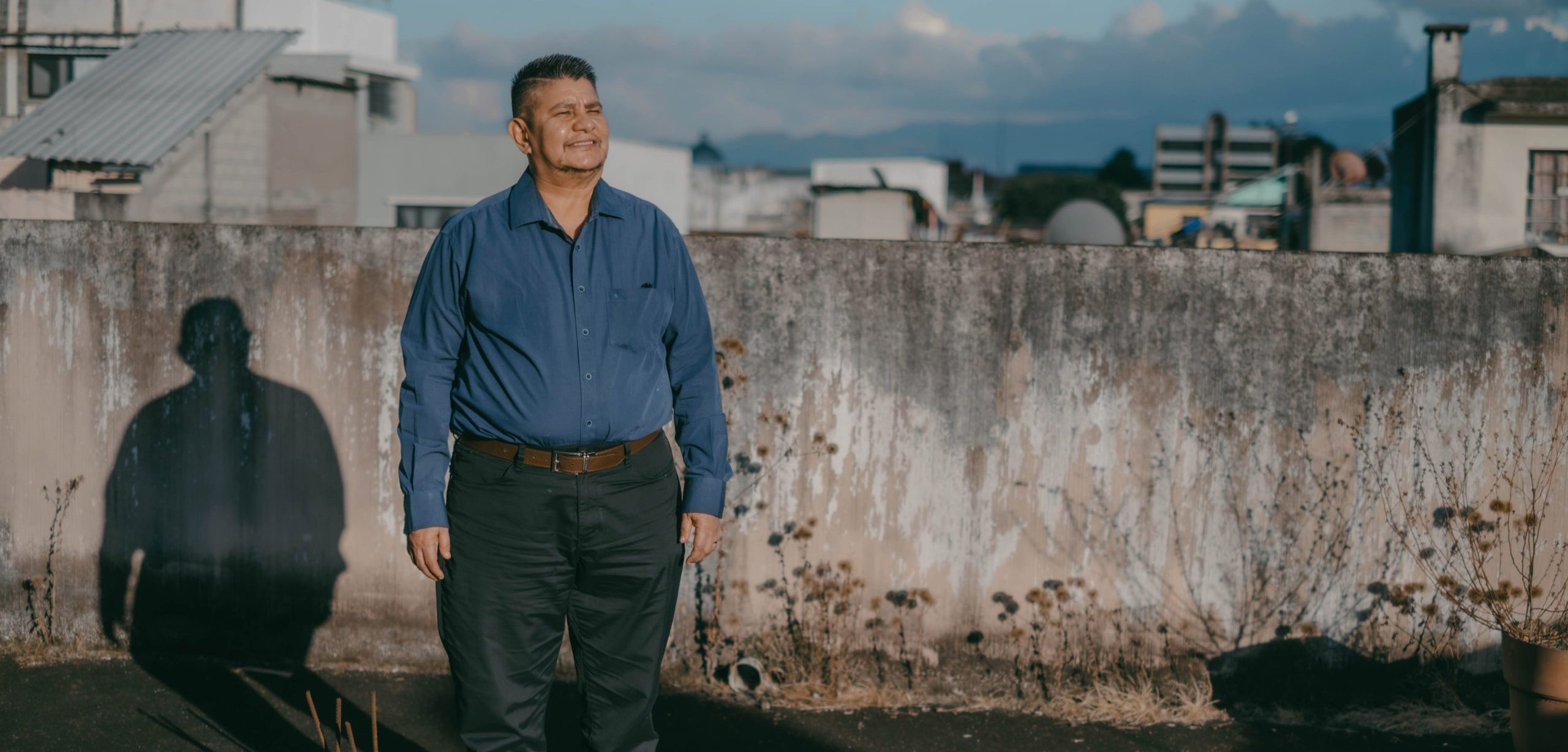
How a White House lie about “sex changes” in Guatemala helped decimate USAID
Earlier this year, the White House falsely claimed that millions of US taxpayers’ dollars were funding “sex changes” in Guatemala — a lie used to justify gutting USAID, which has provided aid worldwide for more than 60 years. In this episode, we travel to Guatemala to uncover the truth, hear from local organizations caught in the controversy, and learn how losing USAID funding has affected these LGBTQ+ organizations and damaged U.S. credibility abroad.
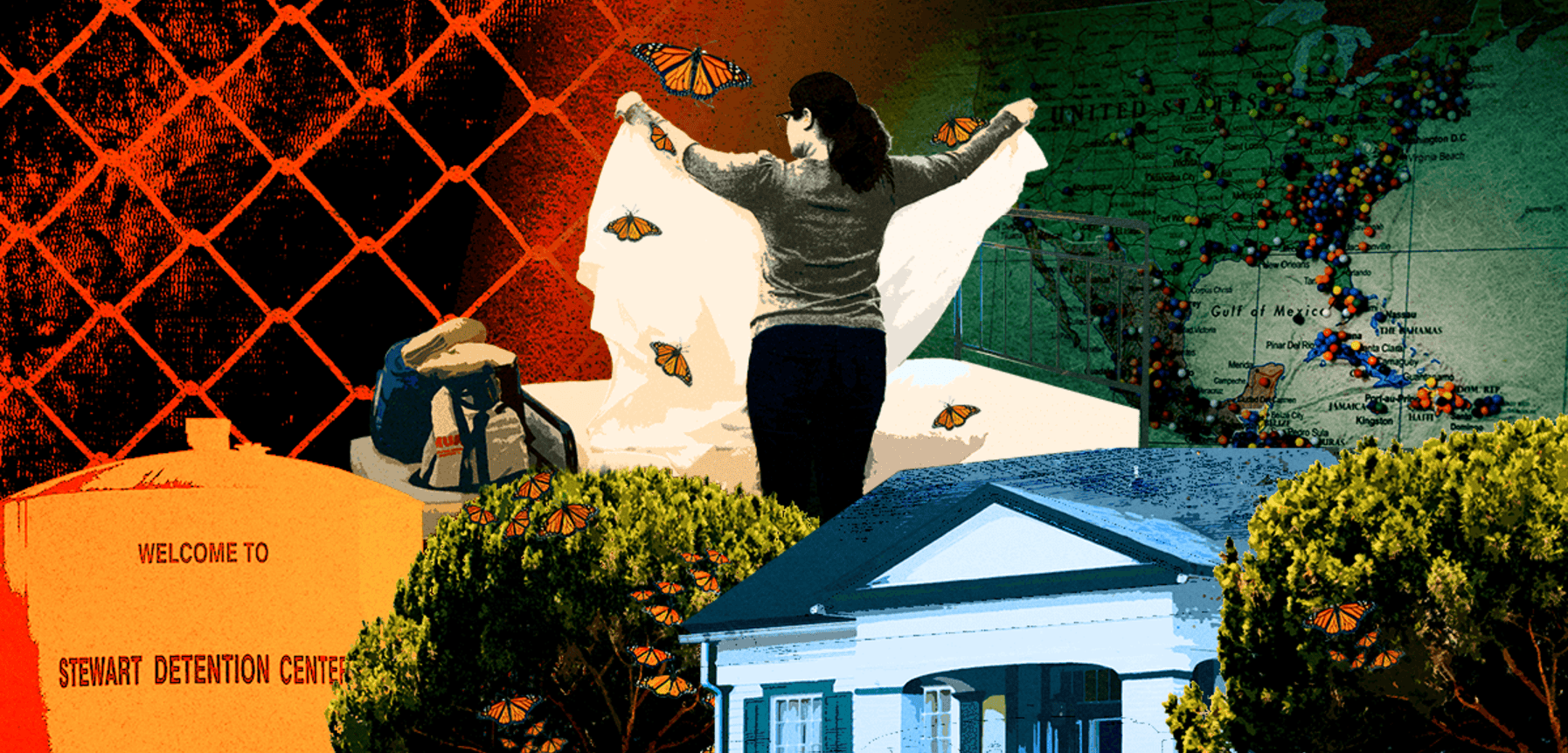
48 hours at El Refugio: A haven for families of ICE detainees
In a rural town in south Georgia, sits “El Refugio,” a charming white home with green shutters. For 15 years, thousands have walked through its doors during the hardest moments of their lives. The house serves as a refuge for families of immigrants detained just two miles away at one of the largest immigration detention centers in the U.S.. In recent months, the visits to El Refugio have skyrocketed. We spent 48 hours inside El Refugio, the only hospitality house of its kind in the nation. We meet volunteers who visit with detainees and the families of those held at Stewart Detention Center.

Unlawfully deported: Orgullosa's story of family separation, ICE’s harassment and returning home
Orgullosa and her daughter, Estrella, began to rebuild their lives after they were separated in the U.S.-Mexico border under the first Trump administration in 2018. Seven years later, Trump was re-elected, and their story took a downward spiral. They were “unlawfully deported” back to Honduras, despite having legal protection to be in the U.S. In this episode, we hear from Orgullosa about the months leading up to her deportation, the harassment she experienced from ICE, and how she’s part of a broader court filing trying to bring families like hers back to the U.S.
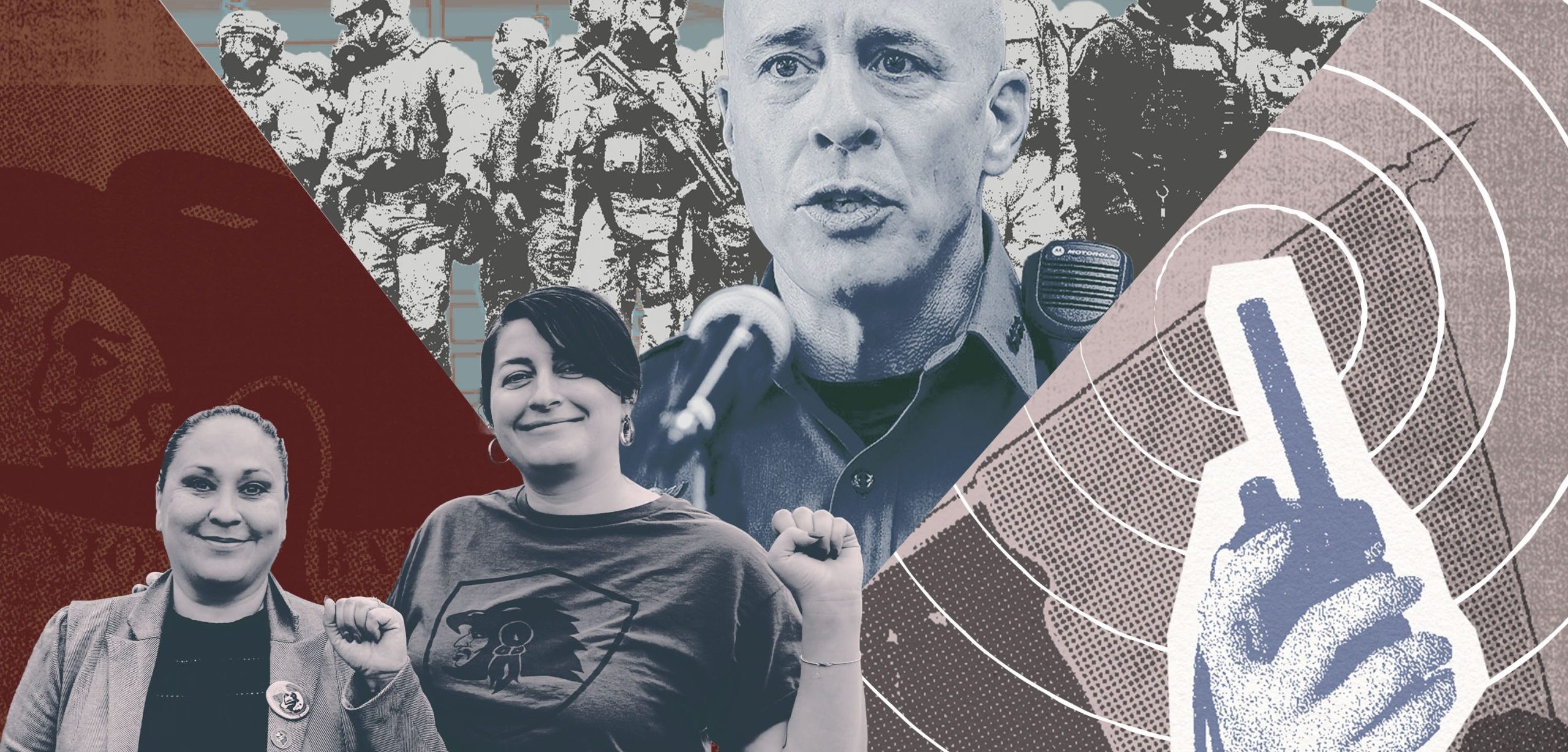
Taken: The agents raiding communities and the people trying to stop them
“The hunting of Latinos.” That’s how the mayor of Los Angeles described the last few months of increasingly violent immigration raids. They’re the brainchild of a Border Patrol chief who went rogue. In response, these tactics have created a swell of anti-ICE pushback, including from the highest levels of government, and support for the communities affected. With politicians running up against the full force of the federal government – with the backing of the Supreme Court – community is what protects you.
This is a special collaboration with CalMatters.
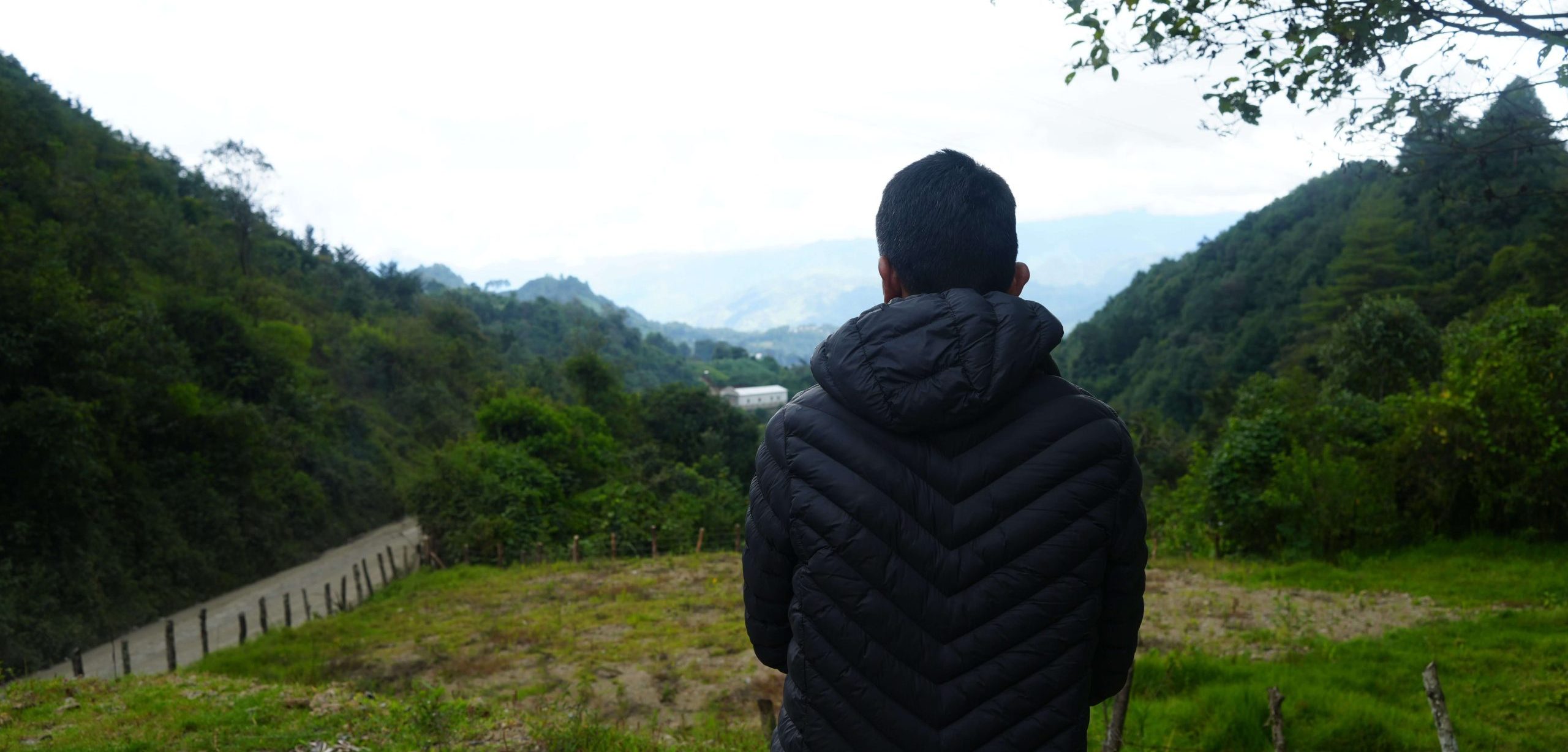
Torn apart under trump six years ago, a Guatemalan father and son still hope to reunite
Thousands of immigrant children were separated from their parents at the border during the first Trump administration. And while a court ruled the government should reunite these families, hundreds still remain apart. In this episode, we travel to Guatemala to meet a father who was deported from the U.S. without his 14-year-old son. In theory the families should be able to reunify on U.S. soil. Lawyers and advocates are working tirelessly to track down missing families. But in practice, the new Trump administration is making these reunifications even more complicated.

From pregnancy to murder charge: Living under a total abortion ban
She was in labor, fainted, and woke up in handcuffs. In El Salvador, nearly 200 women have been incarcerated in the last 26 years after having obstetric emergencies, like miscarriages and stillbirths. Maria Hinojosa and producer Monica Morales-Garcia travel to the country to speak with women who have been incarcerated under El Salvador’s anti-abortion laws, some of the strictest in the world. Through interviews, documents, and archival materials, this investigation paints a clear and disturbing picture of the women who suffer most when a country stretches the definition of abortion beyond its meaning and then bans them all without exception.
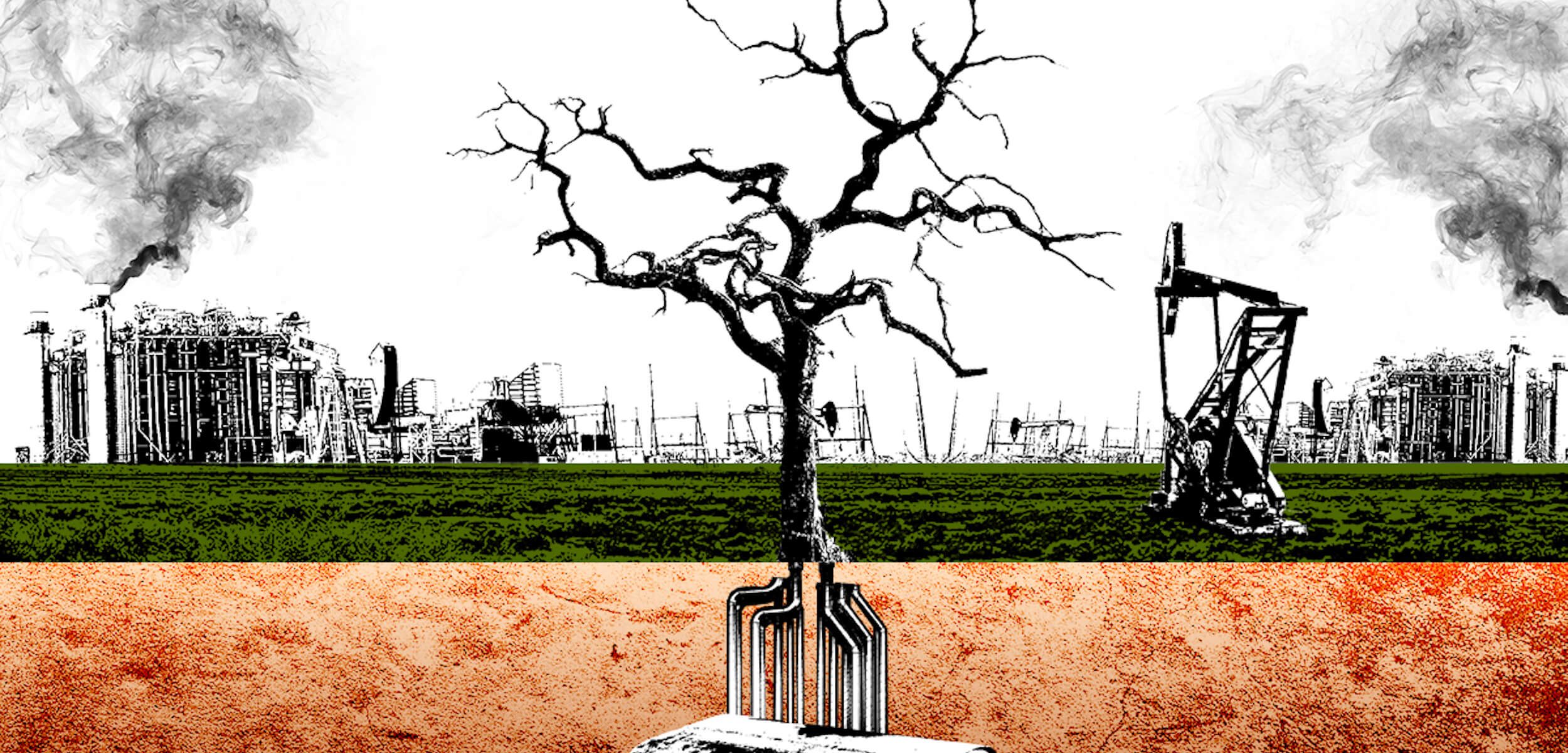
Trump supports this climate solution: Is that a bad thing?
As the planet hits record-breaking carbon emissions, the race is on to slash CO2 levels—and a controversial technology called carbon capture and storage is getting pushed as a fix. At first glance, carbon capture and storage sounds like a great idea: trap carbon before it hits the air and stash it underground. But while politicians and private companies call it a climate solution, critics say it’s just a way to keep fossil fuels alive, propped up by taxpayer money. Futuro Investigates traveled to California’s Central Valley —a place already struggling with extreme air pollution— and that is now ground zero for carbon capture projects. Here, locals are asking: will this technology save the planet or is it just another way for oil companies to avoid accountability while others pay the price?

The misinformation web
For months, Futuro Investigates in collaboration with Latino USA, tracked how lies and conspiracies about the election and the candidates that originated in English soon found their way to Spanish-speaking audiences, amid the expanded monetization of tech platforms and the rise of technologies like AI. We meet face to face with social media influencers pushing out misinformation in Spanish, and with the experts combating it.
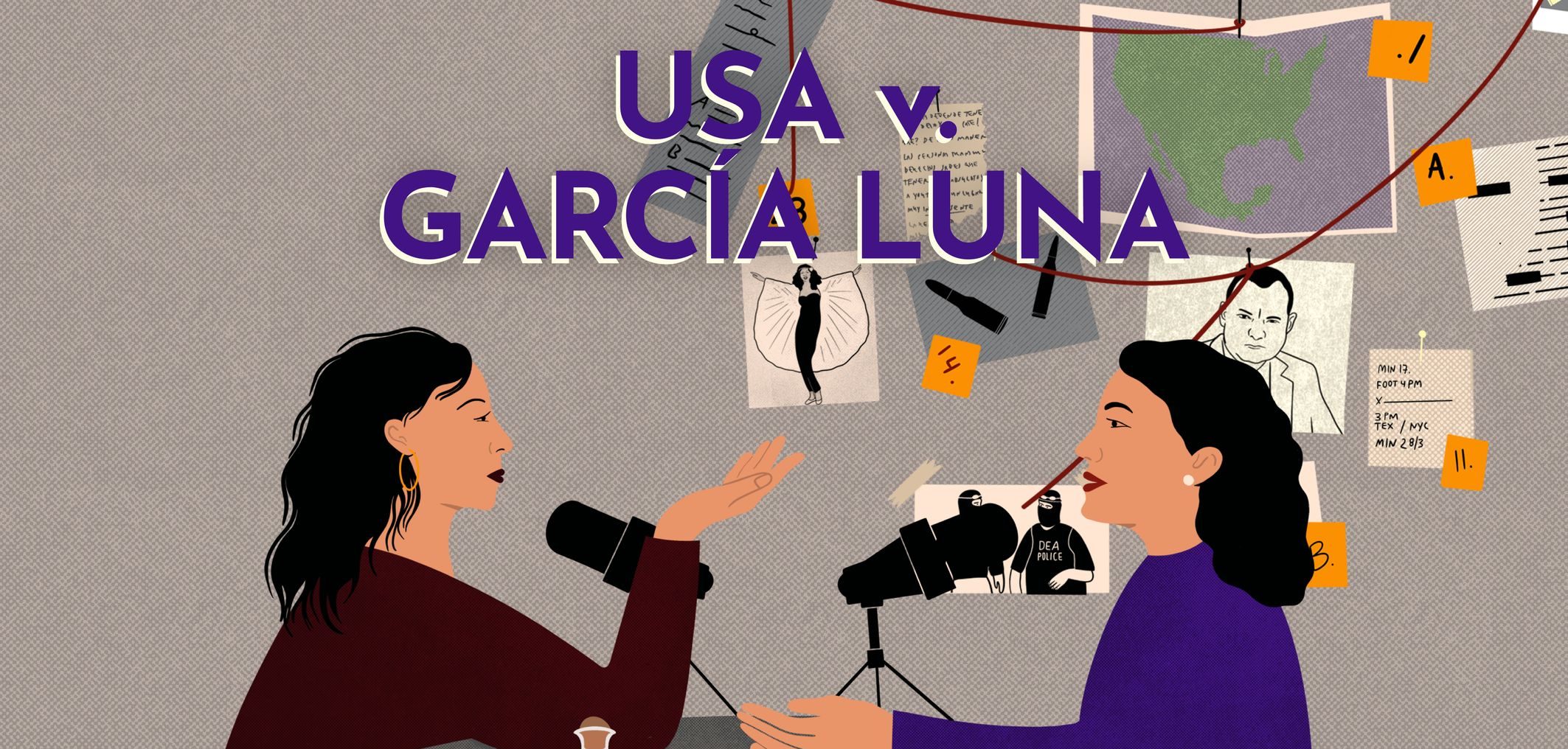
USA v. Garcia Luna: A story where true crime meets telenovela
True crime meets telenovela in this five-episode audio series, as two journalists share their obsession with a powerful and obscure character whose role in the so-called war on drugs has affected millions of lives in the United States.

The mortgage wall
After a Latino family was prevented from applying for a mortgage in New Jersey, Futuro Investigates began digging into mortgage application outcomes in the state. Our investigation determined Latinos are more likely to be denied mortgage loans than white borrowers.
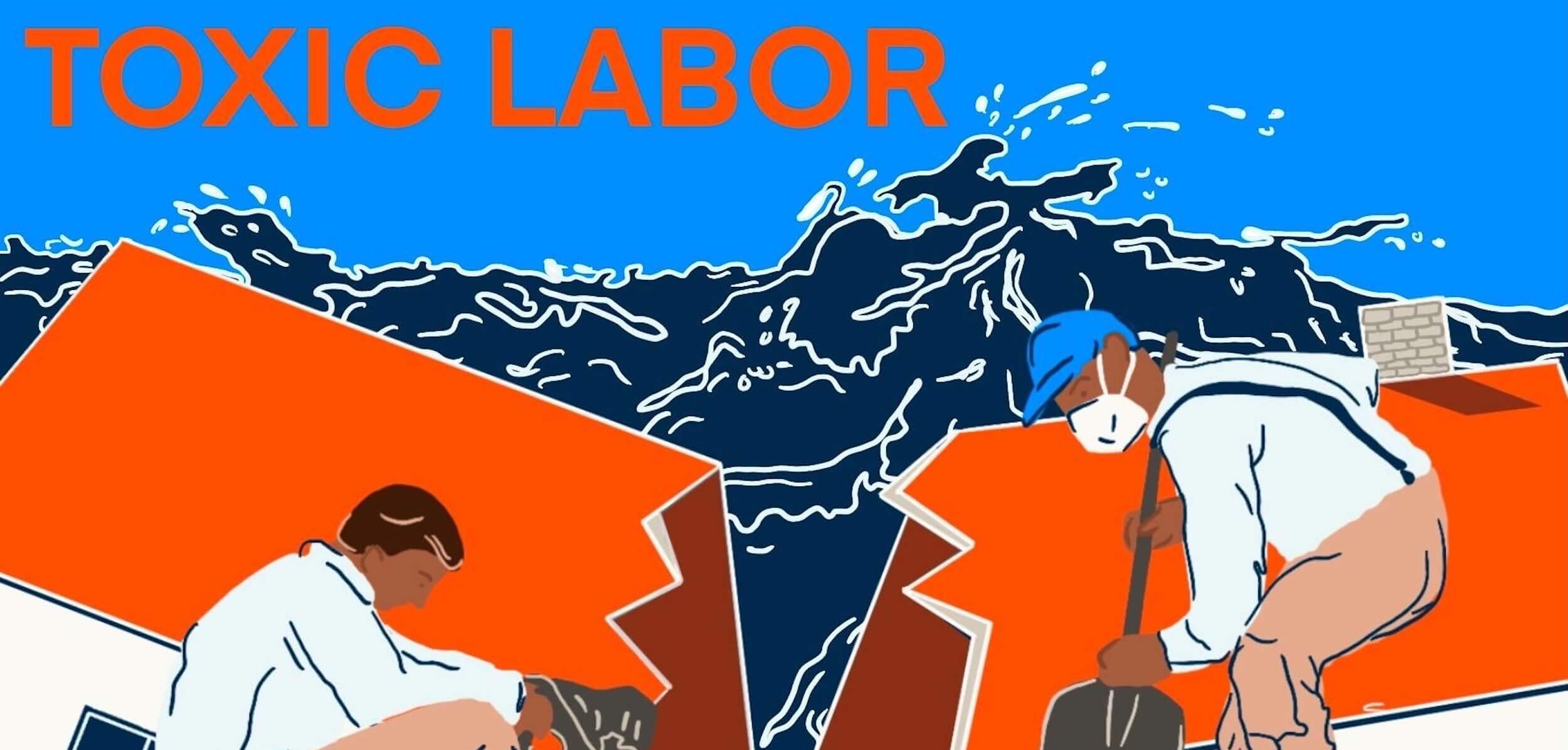
Toxic labor
A warming planet is creating a booming and loosely-regulated disaster restoration industry fueled by immigrant labor. Without protection, workers are exposed to lethal toxins making them sick long after the cleanup.
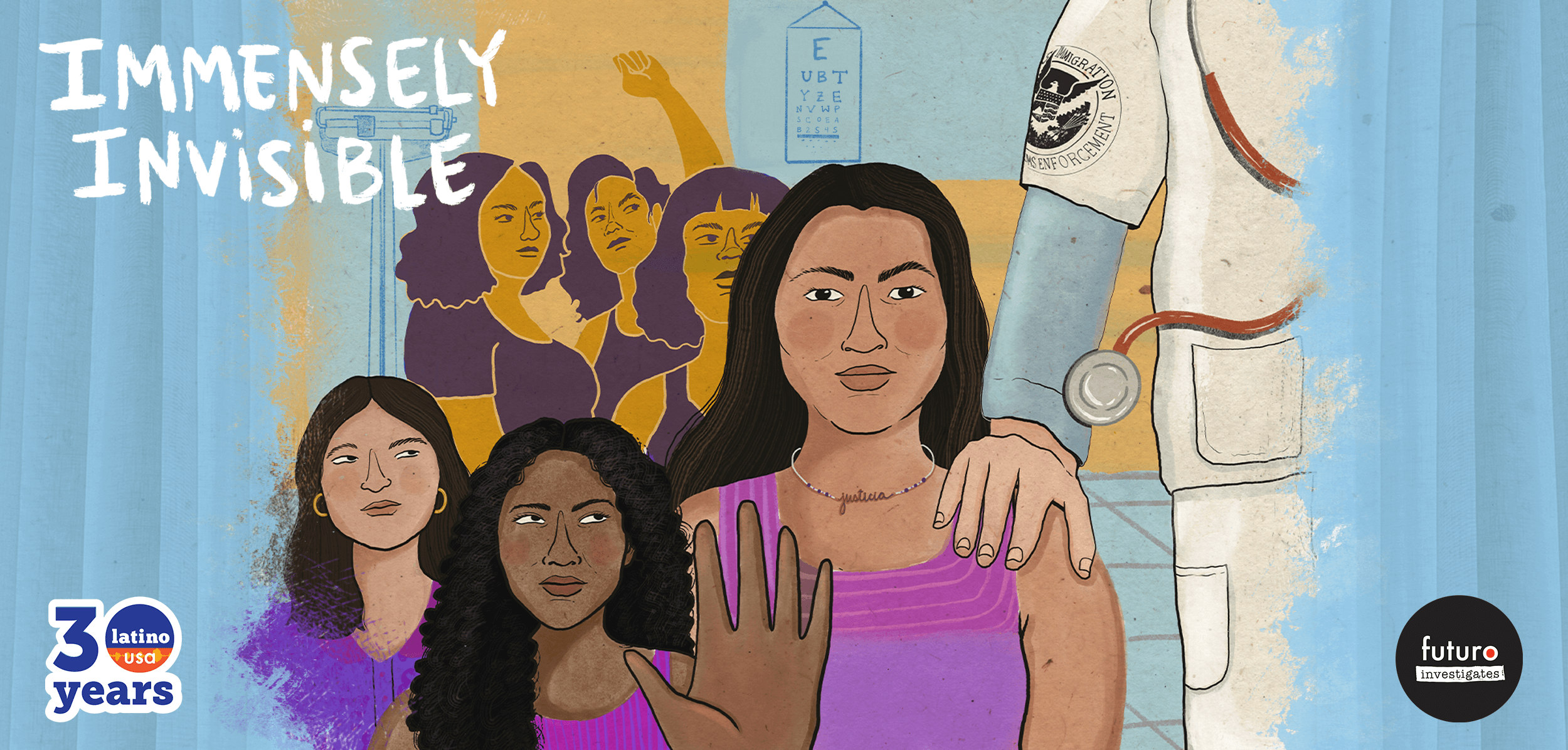
Immensely invisible
Maria Hinojosa teams up with Zeba Warsi, and they investigate how women in ICE detention are sexually abused when they were at their most vulnerable — in a medical setting — and how ICE has done very little to stop it.
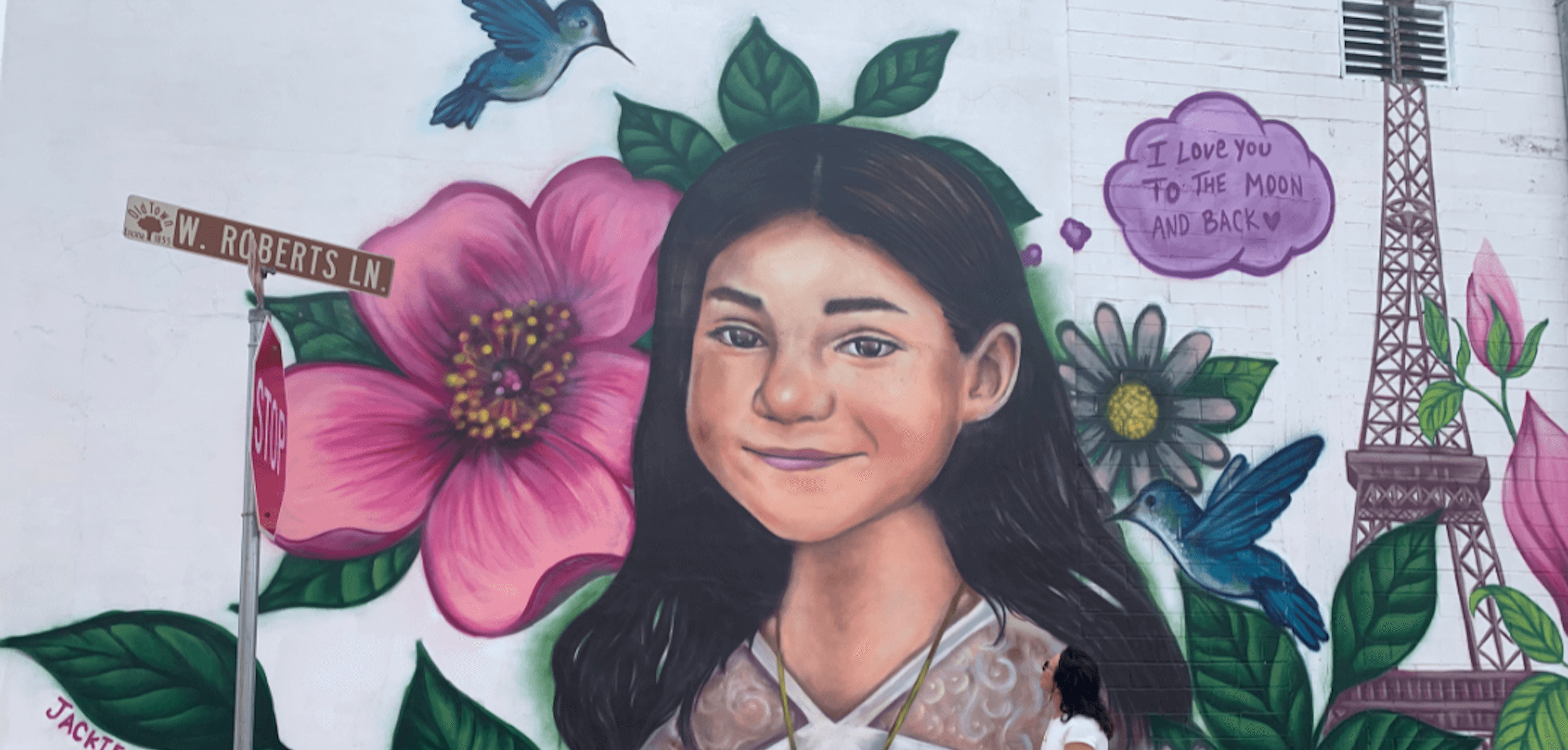
Uvalde, resisting and rising
For the past year, since the Uvalde school shooting, Futuro Investigates have been documenting the community’s trauma and the fight over assault rifles. Our team examines the police response, Uvalde’s history of struggle and healing.
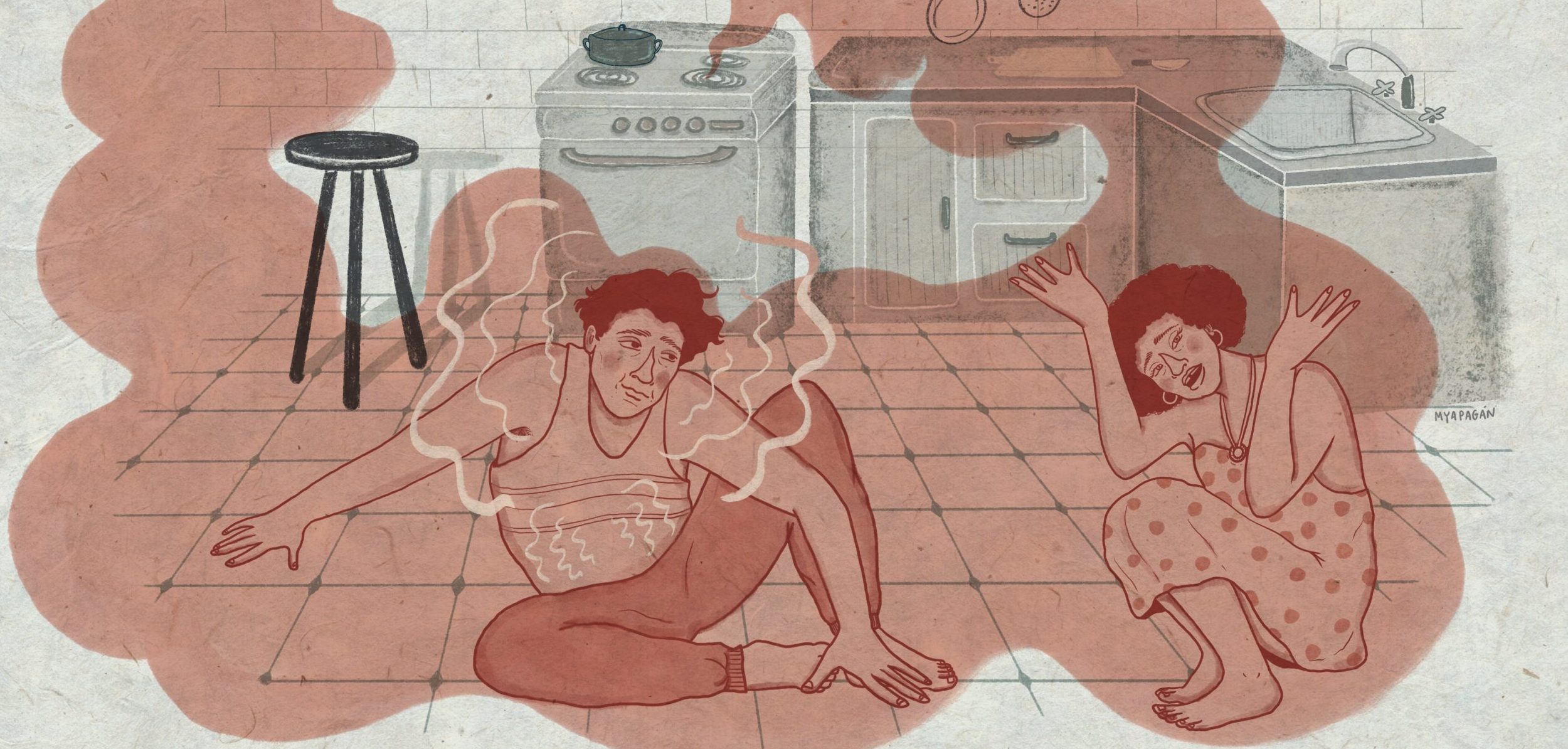
Air we can’t grasp: The insidious matter of carbon monoxide
Even though carbon monoxide poisoning is preventable, housing safety violations, injuries and deaths keep occurring. Since Fall 2022, Futuro Investigates digs into why incidents keep happening and how Latino and Black residents are disproportionally affected by the deadly gas.
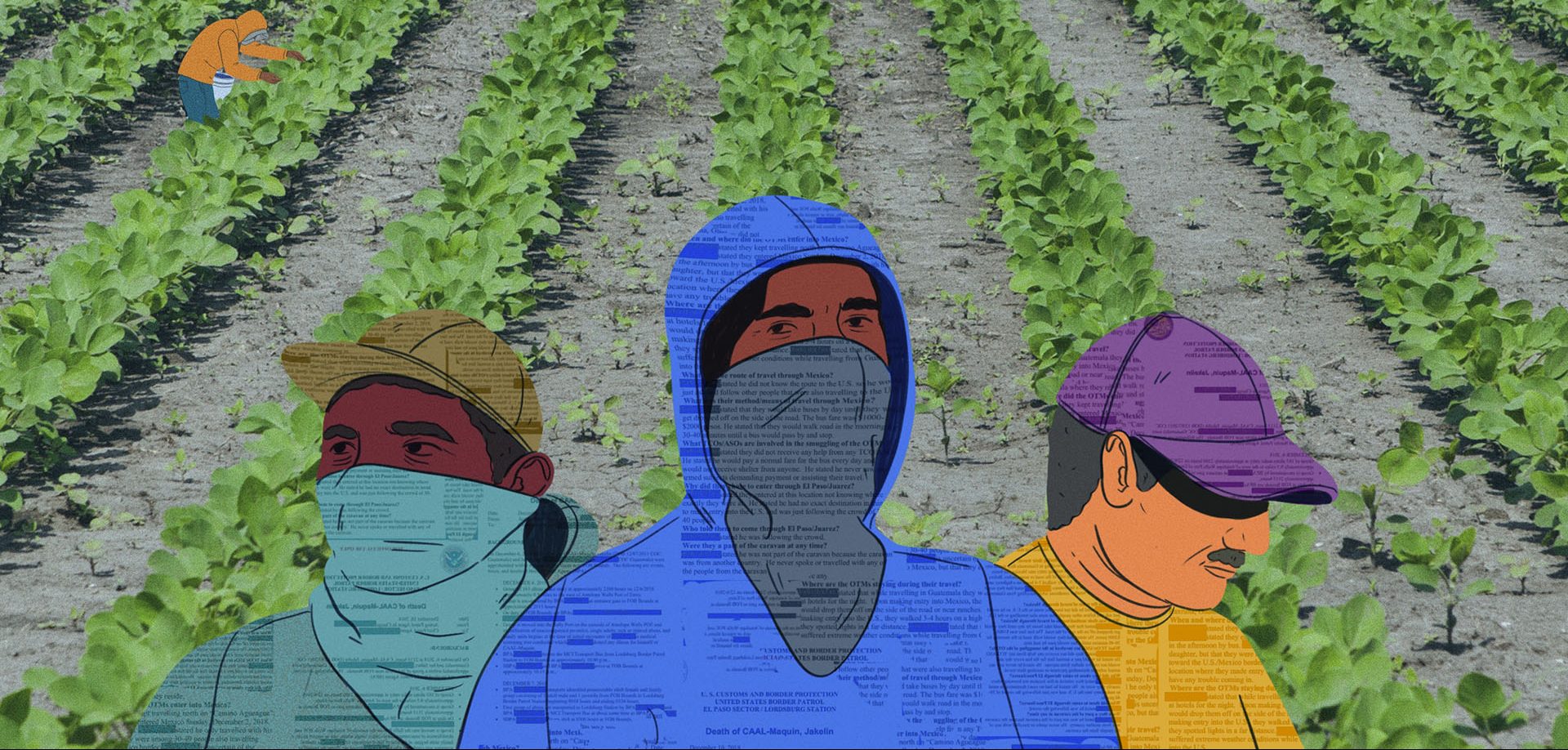
Head down
In 2018, Diego and Mario joined the U.S. government-sponsored H-2A visa program, leaving their families in their home country of Mexico to harvest blueberries at a farm in North Carolina for six months. They had no idea they were about to become victims of human trafficking and that their lives would be derailed forever. Listen to the two part special Head Down now.
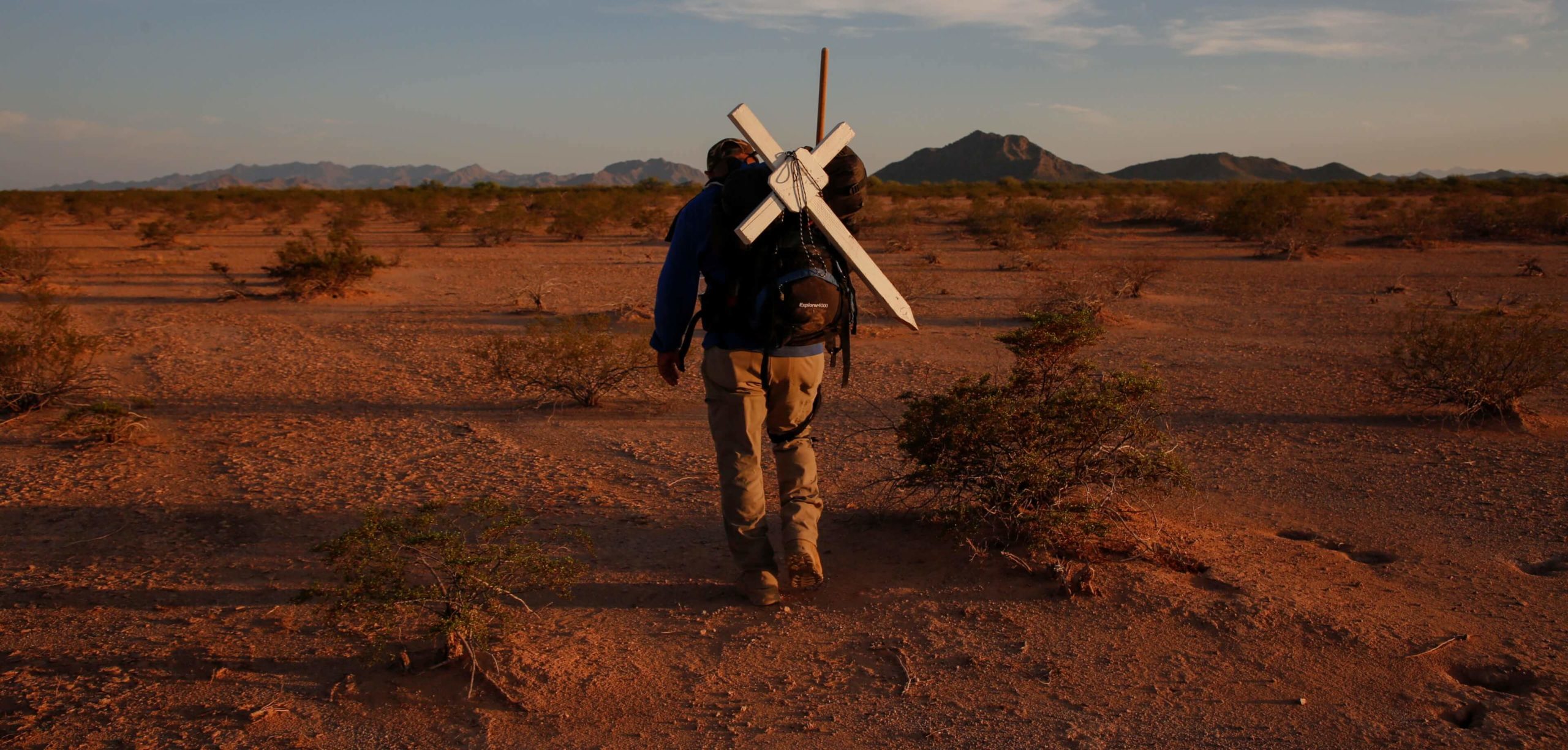
Death by policy: Crisis in the Arizona Desert
For over a year, Futuro Investigates has dug into how the Border Patrol’s decades-long “prevention through deterrence” policies have purposely created a deadly funnel, pushing migrants attempting to cross from Mexico to the U.S. into the deadliest terrain in the country.
INVESTIGATIVE STORIES
In-depth reporting that holds the powerful accountable, and confronts challenges that communities of color face across the Americas.Immigration, Spanish
Cómo las políticas públicas de Estados Unidos contribuyeron a una crisis en el desierto de Arizona
Durante más de un año, Futuro Investigates ha indagado en cómo, por décadas, las políticas de “prevención a través de la disuasión” de la Patrulla Fronteriza de Estados Unidos han creado deliberadamente un embudo mortal. Estas políticas han empujado a los migrantes que intentan cruzar de México a Estados Unidos hacia terrenos letales del país, como el desierto de Sonora en Arizona.
Border, Immigration
Death By Policy: Crisis in the Arizona Desert
For over a year, Futuro Investigates dug into how the Border Patrol’s decades-long “prevention through deterrence” policies have purposely created a deadly funnel, pushing migrants attempting to cross from Mexico to the U.S. into the deadliest terrain in the country, including the Sonoran Desert in Arizona.
Government, Spanish
USA v. García Luna: Una historia de crimen real mezclado con telenovela
El crimen se encuentra con la telenovela en esta serie de cinco episodios donde dos periodistas comparten su obsesión por un oscuro personaje cuyo rol en la llamada “guerra contra las drogas” ha afectado miles de vidas en Estados Unidos.
Government
USA v. García Luna: A Story Where True Crime Meets Telenovela
True crime meets telenovela in this five-episode audio series, as two journalists share their obsession with a powerful and obscure character whose role in the so-called war on drugs has affected millions of lives in the United States.
Government, Immigration
Head Down
In 2018, Diego and Mario joined the U.S. government-sponsored H-2A visa program, leaving their families in their home country of Mexico to harvest blueberries at a farm in North Carolina for six months. They had no idea they were about to become victims of human trafficking and that their lives would be derailed forever. In the first episode of two-part special “Head Down,” we go deep into how a visa program that brings more than 300,000 foreign agricultural workers to the U.S. every year is plagued with abuse and wage theft. All of this while the U.S. government plans to expand it.
Government
Baja La Cabeza
En 2018, Diego y Mario se unieron al programa de visas H-2A patrocinado por el gobierno de EE. UU., dejando a sus familias en su país de origen, México, para cosechar arándanos en una granja en Carolina del Norte durante seis meses. No tenían idea de que estaban a punto de convertirse en víctimas del trafico de personas y que sus vidas se descarrilarían para siempre.
TESTIMONIALS
TRUSTED BY THESE DONORS AND FUNDERS