

Government, Reporter’s Notebook
How USAID’s decimation redefines “American values”: a reporter’s notebook
Table of contents
Dismantling USAID goes beyond the worldwide program. It’s also a fundamental reshaping of what the Trump administration wants America to be.
Reporter's Notebook
Let me take you back to the summer of 2016. I had just moved from the Rio Grande Valley in south Texas, on the U.S.-Mexico border, to New York City for an internship at Latino USA.
A couple of weeks into my new life in New York, my experience at Latino USA was going smoothly. Then, on one hot summer day, I was assigned, along with the other interns, to go to Times Square with a mission: to interview people and ask them what it means to be an American. “What are American values? Do they consider themselves to be American? Are they proud to be an American?
After we interviewed countless people, we began sifting through the audio.
We collected answers like these:
“More often than not, I am proud, but with all the different things going on in the nation and the nation’s past, I guess there’s a lot to be ashamed of as an American.”
“I consider myself to be American even though I was born in Mexico, but I’ve been living here for 17 years.”
“…American values are freedom of religion, freedom of speech, freedom of the press… ”
There was no random reason for our questions. At the time, Donald Trump was gaining momentum among the Republican base. People across the country started to realize that he could win the 2016 Presidential election.
I genuinely didn’t believe he could win. I couldn’t grasp the idea that people could vote for him. He was someone who had been spewing anti-immigrant rhetoric and was constantly attacking the media.
But I was wrong.
Donald Trump won 304 electoral college votes. More than 62 million people cast ballots for him.
Since that victory, Trump has pushed for “Making America Great Again” policies nationwide. He has also unapologetically backed his “America First” campaign. These slogans have divided many Americans across the country. They have forced people to confront questions about whose voices are included and excluded from the conversation.
Nearly a decade after that Times Square assignment, we are still dealing with the same questions: Who is an American, and who isn’t? Who defines what America should be?
Our current “American values”
It’s now December 2025. Trump has had a constant presence in my professional life for nearly a decade. I covered his first administration as a border and immigration reporter for Texas Public Radio. Now, I’m covering his administration as a producer and reporter for Latino USA.
Something has become very clear to me: some of those same questions about “American values” and the meaning of America are still prevalent. In many ways, they feel more urgent and dangerous than ever.
I’ve decided to keep reporting on issues that challenge the divisive narrative about what America is and what it should be.
On his first day back in the White House, earlier this year, Trump issued an executive order targeting foreign aid. It claimed, “The United States foreign aid industry and bureaucracy are not aligned with American interests and in many cases antithetical to American values.”
Those few words set the stage for the dismantling —and the eventual shutdown — of USAID, a government agency founded in 1961 and tasked with providing aid to people in need around the world. Until this second Trump term, USAID had bipartisan support. But the new Trump White House framed it as an institution representing waste, fraud and abuse.
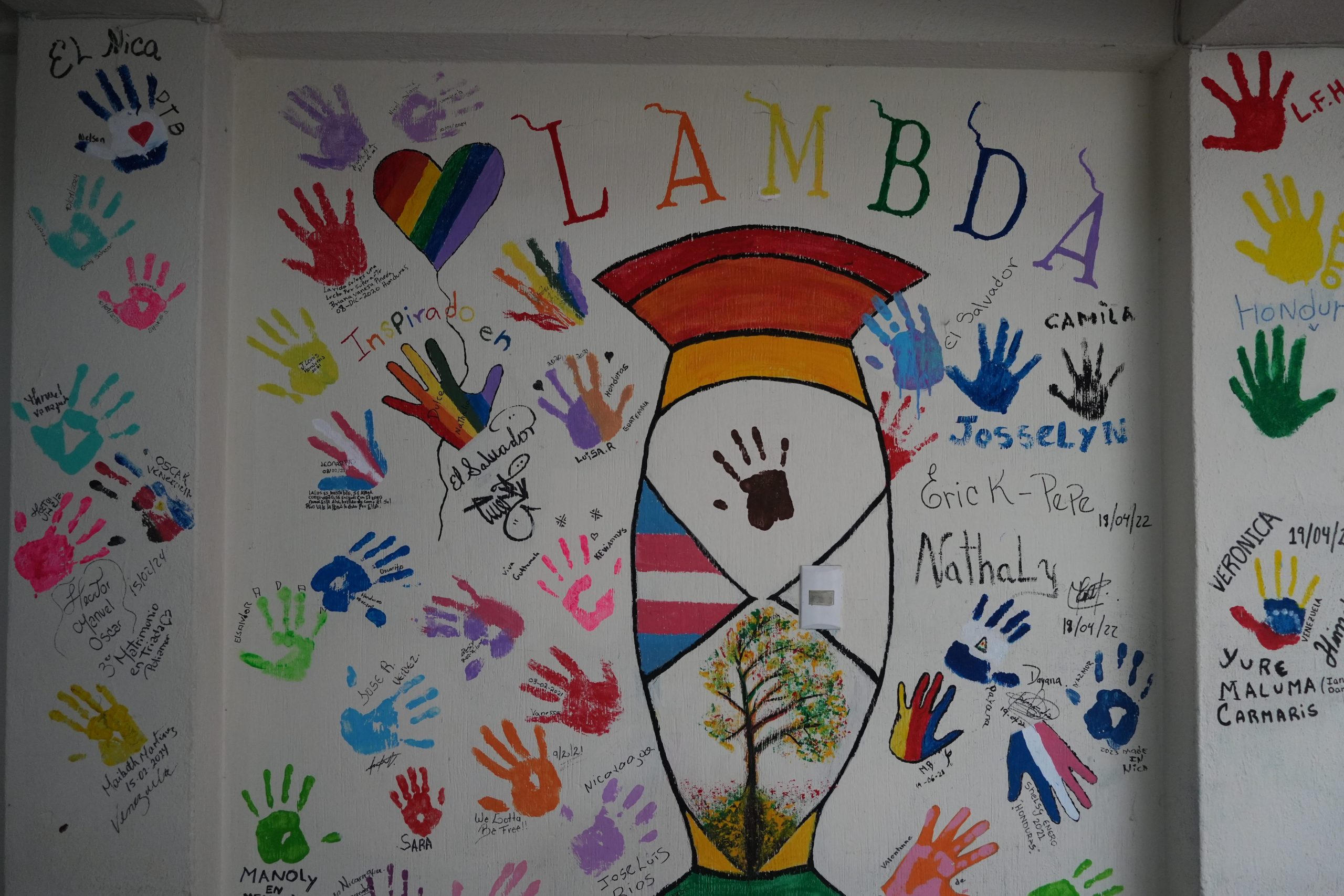
Soon after, the Trump administration targeted Asociación Lambda, an organization receiving USAID funding in Guatemala. The White House Press Secretary, Karoline Leavitt, falsely claimed that U.S. taxpayers’ money was used to perform “sex changes” in Guatemala.
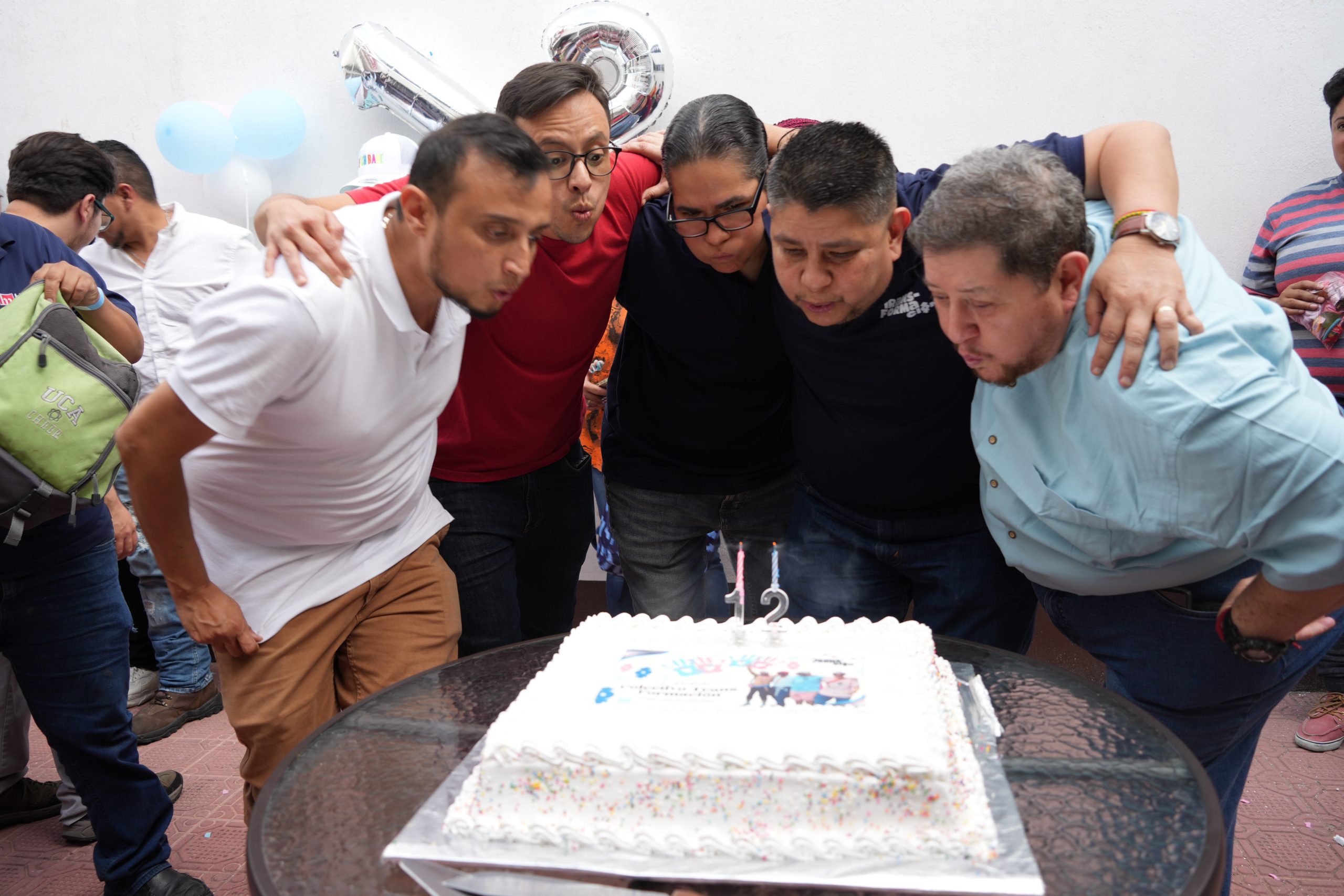
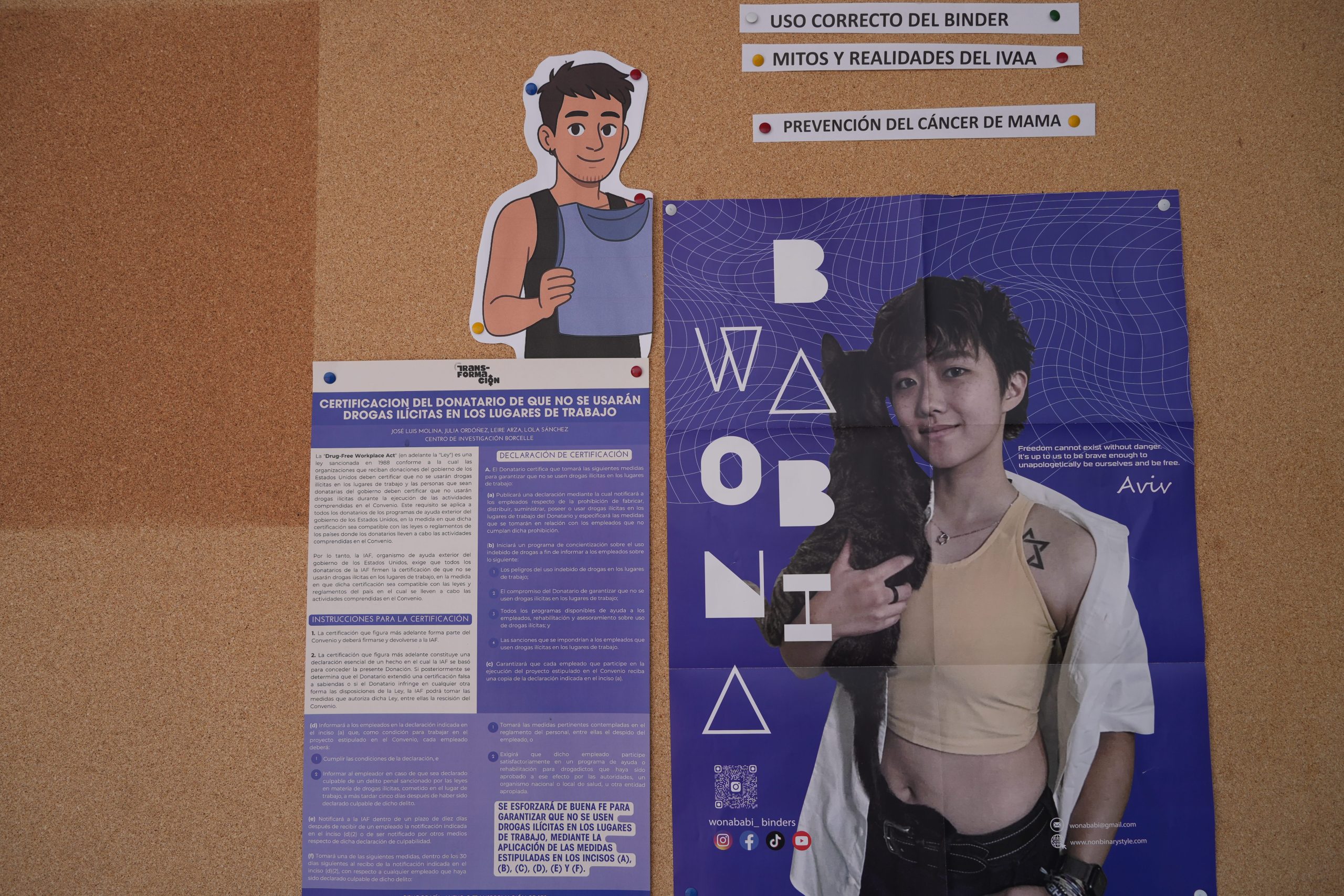
My reporting quickly showed this claim was untrue. Yes, Lambda received some USAID funding, but they mainly served as a pass-through. The actual recipient of the funds was Trans-Formación, a collective that works with trans men in Guatemala, but does not provide “sex changes.”
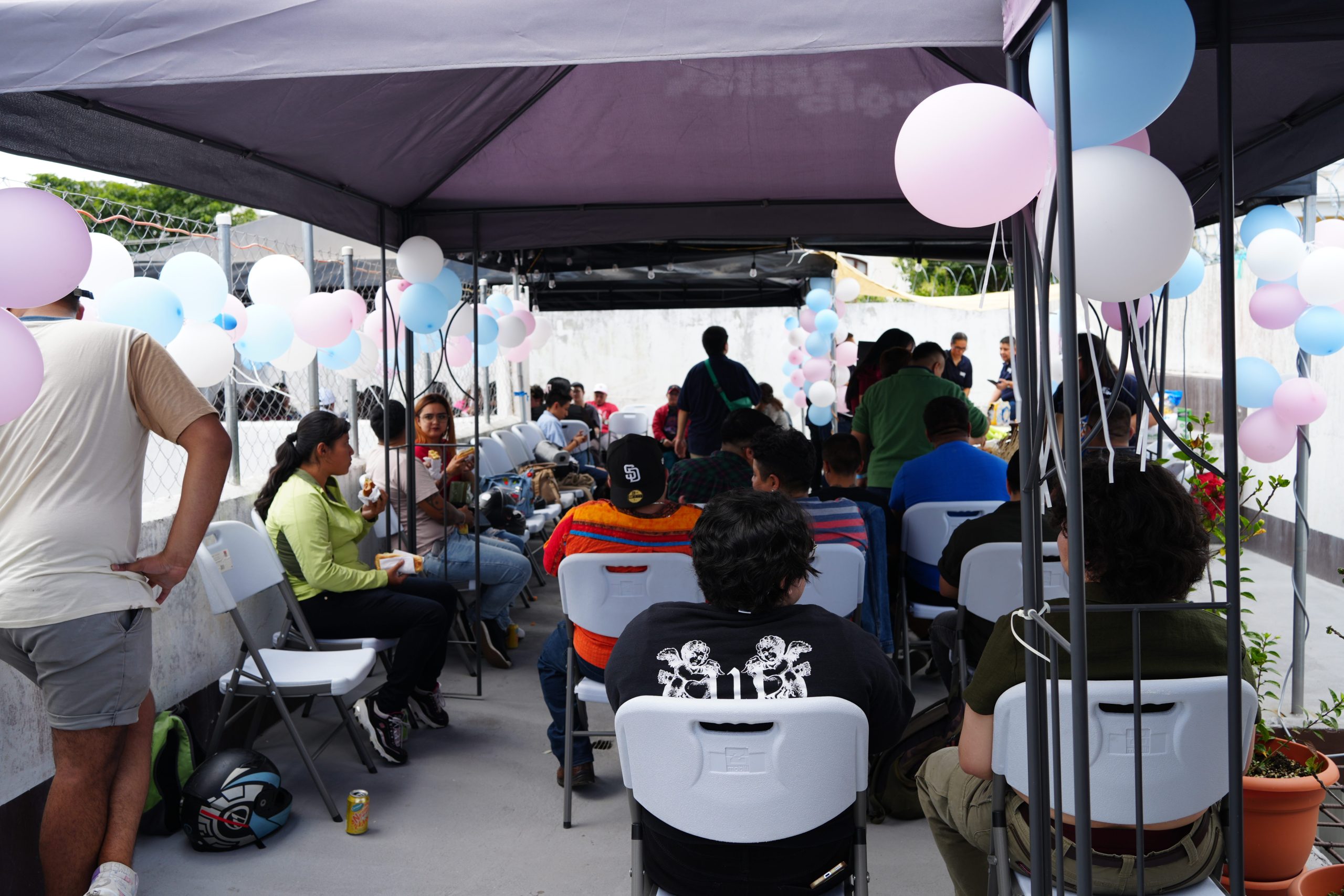
I traveled to Guatemala this summer to understand the impact of losing USAID support, the transphobic attacks these organizations received after the White House’s lie, and what this withdrawal from international aid means for the United States’ global standing moving forward.
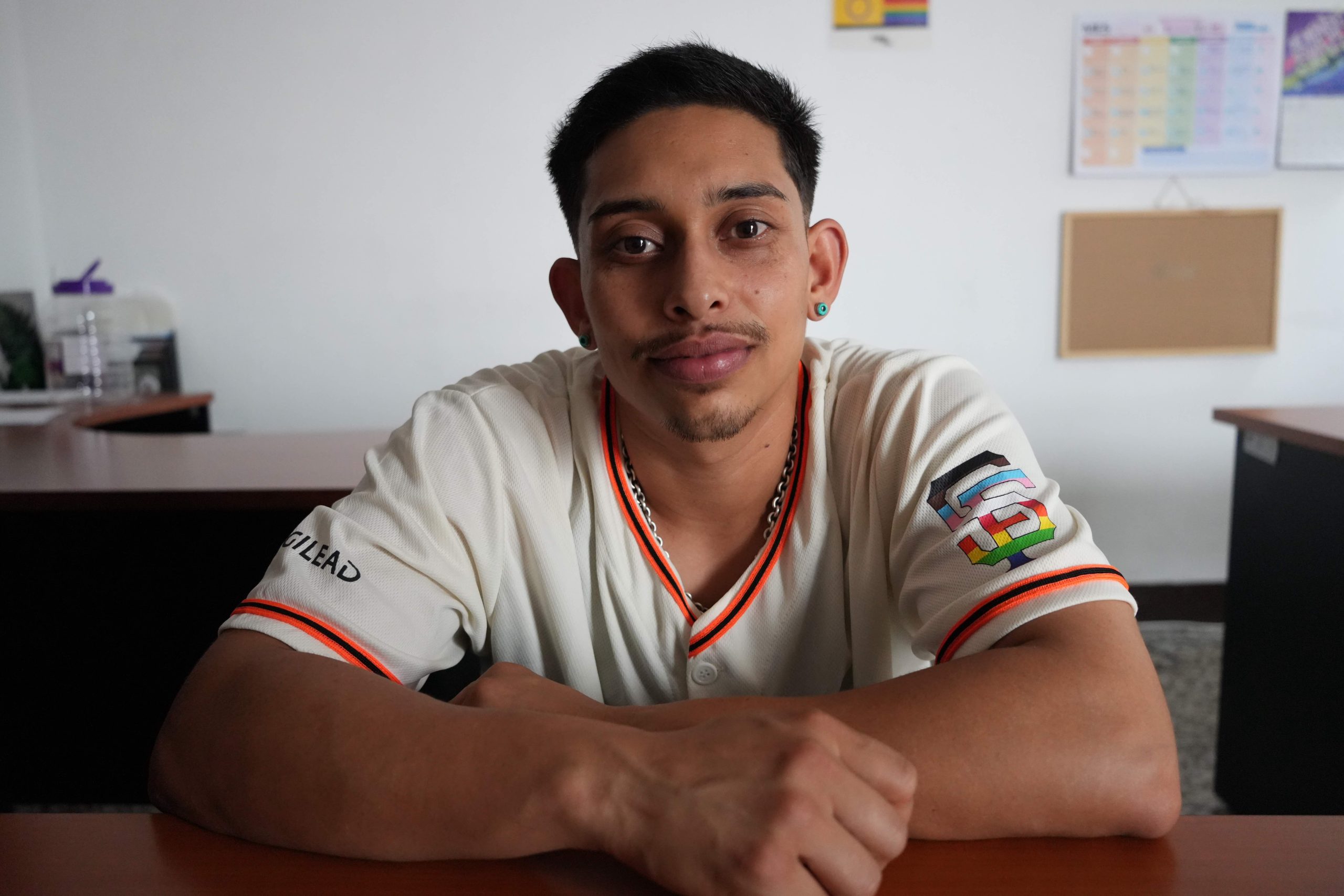
While in Guatemala, I met Alex Castillo, the co-founder of Trans-Formación. I learned about his journey toward understanding that he is a trans man and the reasons why he created his organization.
Alex and I talked for hours. What truly resonated with me was that he, too, questioned what “American values” are.
I shared with him the response I received from the State Department to my question about why Lambda’s USAID funding had been canceled.
“This program has been determined not to fit within the standards laid out by Secretary Rubio for U.S. foreign assistance, which must make the United States stronger, safer, or more prosperous,” the statement said. “Ensuring we have the right mix of programs to support U.S. national security and other core national interests of the United States requires an agile approach. We will continue to make changes as needed.”
Alex pushed back against this “America First” sentiment. He asked me: “How much money do you think they’re spending on putting people on planes and deporting them? How much are they spending on foreign wars? How much are they spending on campaigns telling people not to migrate to the U.S?”
These questions prompted me to sit with my own: What are these “American values” the Trump administration is talking about?
That same ideology about ramped up American exceptionalism isn’t just being exported abroad. It’s also seeping deeper into everyday life and institutions that shape the U.S.
Earlier this year, the Trump administration targeted the Smithsonian Museums. It was not a subtle move. The White House said it would review its museums. The initiative, according to an official letter, “aims to ensure alignment with the President’s directive to celebrate American exceptionalism, remove divisive or partisan narratives, and restore confidence in our shared American cultural institutions.”
In other words, even spaces meant to document history and foster curiosity were being drawn into the fight over who gets to define the “American values.”
The current official push isn’t just about Guatemala or USAID funds spent abroad anymore. We are watching live the reshaping of cultural memory, public education, and museums — the places where we collectively decide which stories matter and which are erased.
Public universities and government offices are also dealing with the Trump administration clamping down on what can be said and done and in the workplace.
We are also now seeing that the Supreme Court will take up the issue of birthright citizenship, which the Trump administration brought on, and literally decide who gets to be an American.
All of these issues are intertwined and have escalated to this moment.
While reporting this story about Guatemala and USAID, I’m trying to wrestle with these thoughts. I hope listeners will, too. Who decides what counts as an “American value”? What truly serves America’s interest and why?
And perhaps the most critical question of all: Is this the country that we want to be?
I reached out to the State Department for a request for comment regarding me finding no evidence about “sex changes” being conducted by LAMBDA and Trans-Formación while I was in Guatemala. I also asked for a response to both organizations’ adamant denial that they help facilitate these types of surgeries, but I did not hear back from the State Department.
Banner photo: Alex Castillo, Co-Founder of Trans-Formación, stands for a portrait. Photo by Carlos Barrera for El Faro English
Photo Gallery