


Immigration
My Journey Covering (and not) Family Separation: A Reporter’s Notebook
Table of contents
Reporter's Notebook
When I saw “Zero Tolerance” unfolding back home on the U.S.-Mexico border I wanted to help cover it, as a reporter. And after years of covering immigration, I’m glad that I didn’t. But recently, I did report on it.
It’s the summer of 2018. I’m an intern at NBC Nightly News as part of my graduate journalism program. At the U.S.-Mexico border, children are being forcibly ripped away from their parents as part of the first Trump administration’s Zero Tolerance Policy.
The separations are playing out in front of me on the televisions in the newsroom in New York City. I am shocked. I’m still a very “green” journalist, but I want to be on the ground, reporting on this issue in person. I have a special reason: this family separation is unraveling in my hometown in South Texas, in the Rio Grande Valley.
I’ll never forget the images of protestors using their bodies to try to stop buses carrying migrant children to a detention center. I remember the sounds of migrant children crying and calling out for their parents. The country coming together, for a moment, to condemn what would become one of America’s darkest chapters in its history.
This was a defining moment in the U.S. because it showed the power of Americans banding together to showcase dissent against a President’s policy.
Weeks later, President Donald Trump ended the Zero Tolerance policy after immense public pressure. But the damage was done. More than 5,000 children were torn from their parents, before, during, and after Zero Tolerance, according to official data.
When it was over, I remember feeling remorse, wishing I had helped cover this pivotal moment in history.
Later, I finished graduate school and got a job as an immigration and border reporter with Texas Public Radio (TPR) in San Antonio. I was the first TPR full-time reporter based in the Rio Grande Valley, about five hours south of the station, close to the border.
With TPR, I covered the last two years of the first Trump administration. That’s when I completely changed my perspective: I was glad that I didn’t cover Trump’s Zero Tolerance Policy.
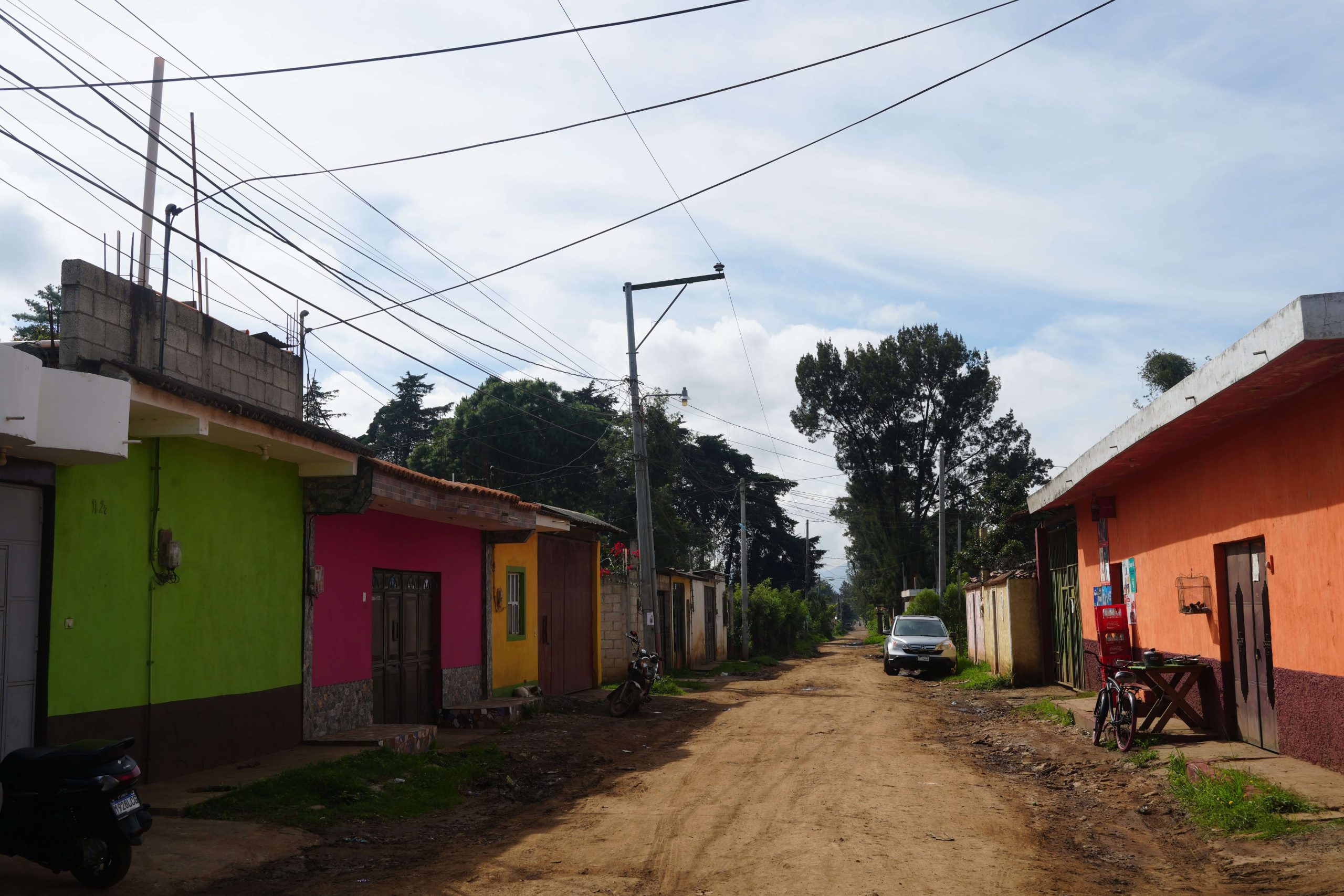
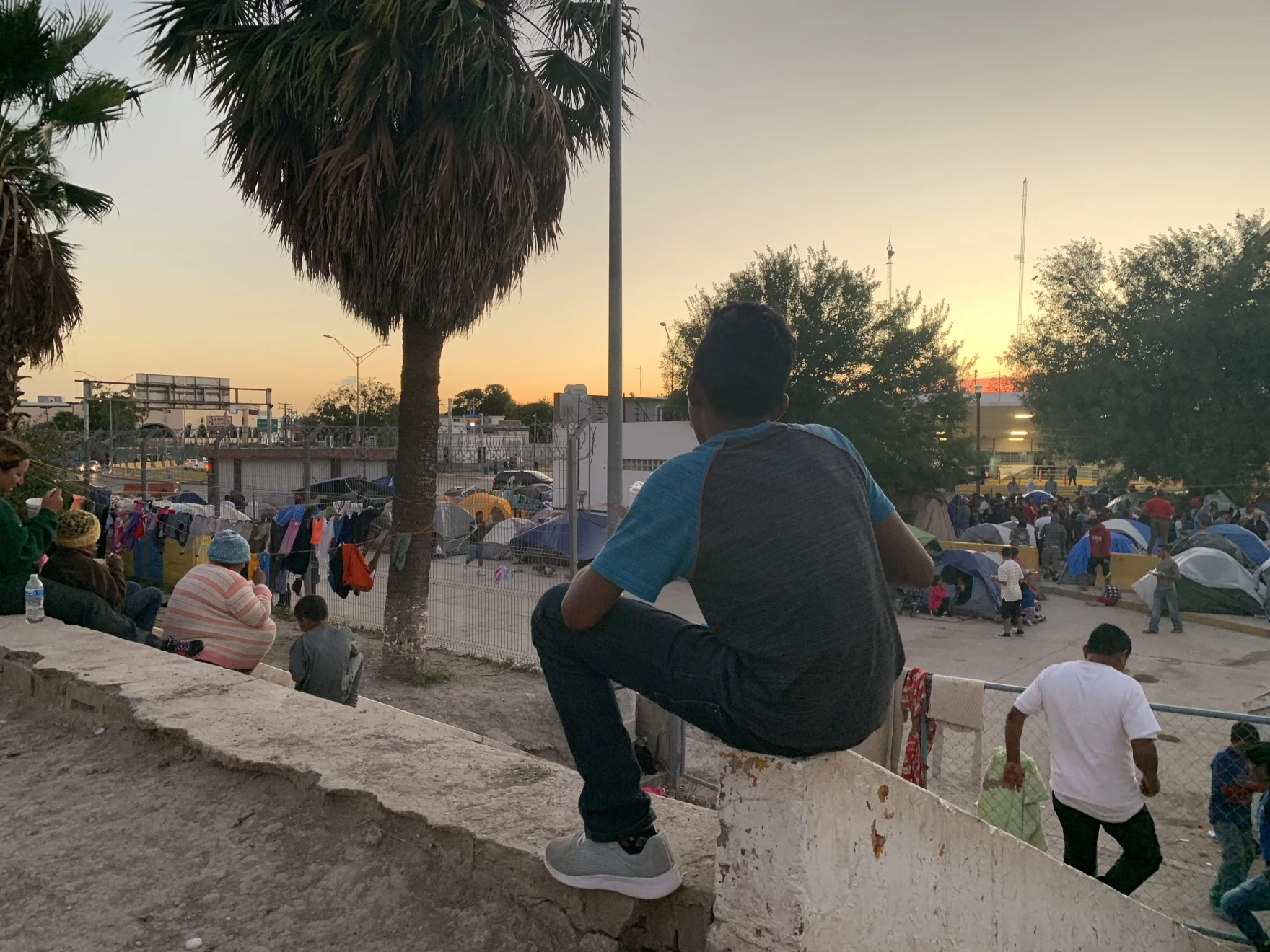 Photo by Reynaldo Leaños Jr., Texas Public Radio
As a journalist with TPR reporting on the Trump administration’s Remain in Mexico Policy and Title 42 expulsions, I witnessed and heard so many heartwrenching stories. I got to know many migrants trying to do things the “right way” to enter the U.S. Despite that, they were impacted by new barriers that the administration was implementing, all while they lived in squalid and dangerous conditions in make-shift camps on the Mexican side of the border.
It was during those moments that I could not have fathomed how emotionally difficult it must have been to report on Zero Tolerance. I know many reporters have not forgotten that coverage. It still haunts them.
As the years went on, I remember reading about the trauma that continued for families who were reunited with their loved ones after their separations, as well as hearing stories about the countless families who remained separated.
Earlier this year, I was selected as an investigative reporting fellow with the Ida B. Wells Society. During that fellowship, I planned a reporting trip to Guatemala. Years after Zero Tolerance, I felt ready to cover, for the first time in my career, the consequences of family separation.
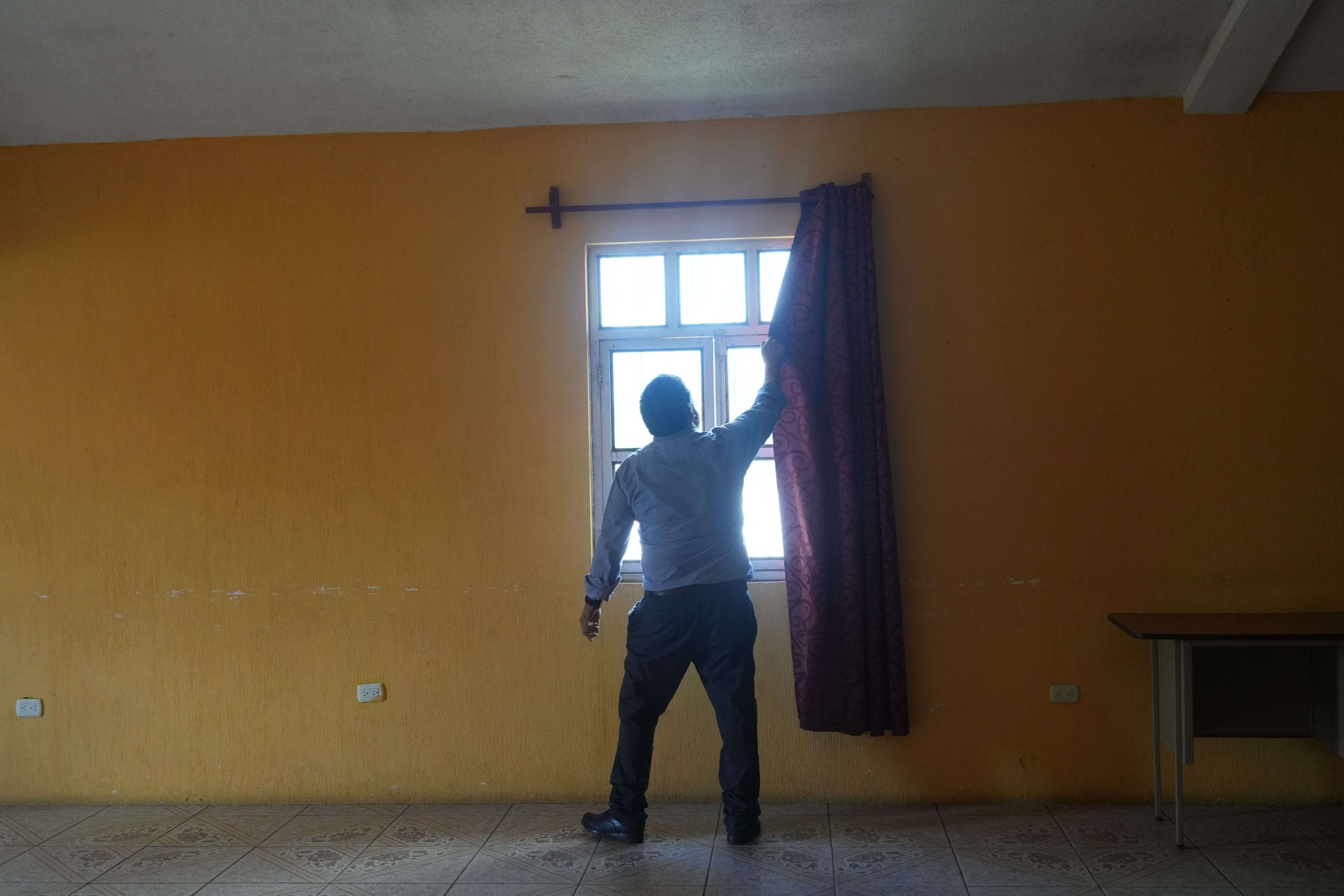
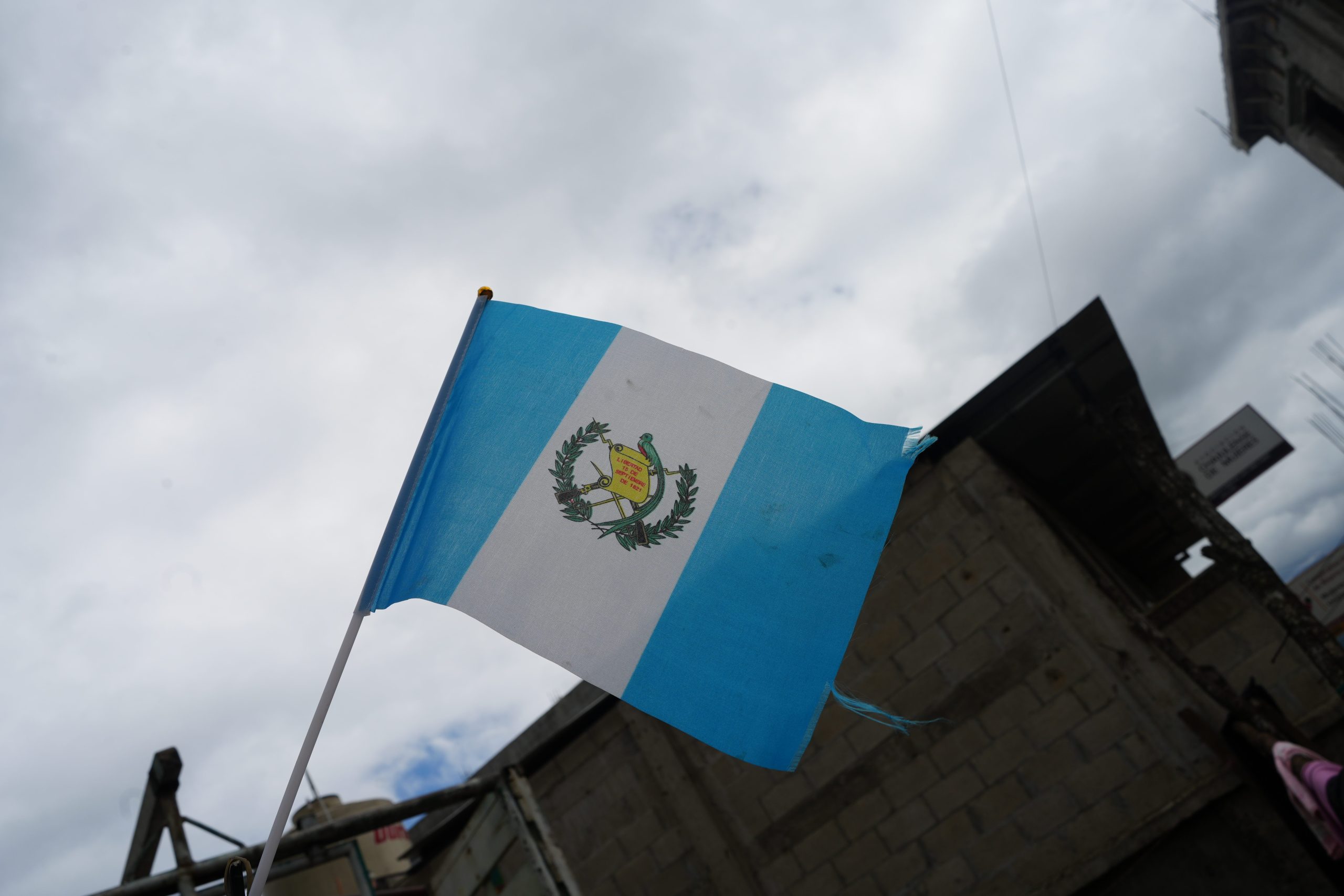 Photo by Reynaldo Leaños Jr., Futuro Media
During my pre-reporting, I called several organizations that had helped reunify families and spoke with experts on the issue. I wanted to learn more about the current climate of family reunification, what was happening with families who remained separated, and those who had already been reunified.
It took months of source building before I was ready to travel to Guatemala and meet Teodoro, a father who was separated from his son at the US-Mexico border and continues trying to be reunited with his son.
To interview Teodoro (a pseudonym he chose), I took a day-and-a-half journey from Guatemala City to the northern region of the country. He hadn’t physically seen his son in more than six years. And he didn’t know, up until earlier this year, that there was even a chance that he could reunite with him.
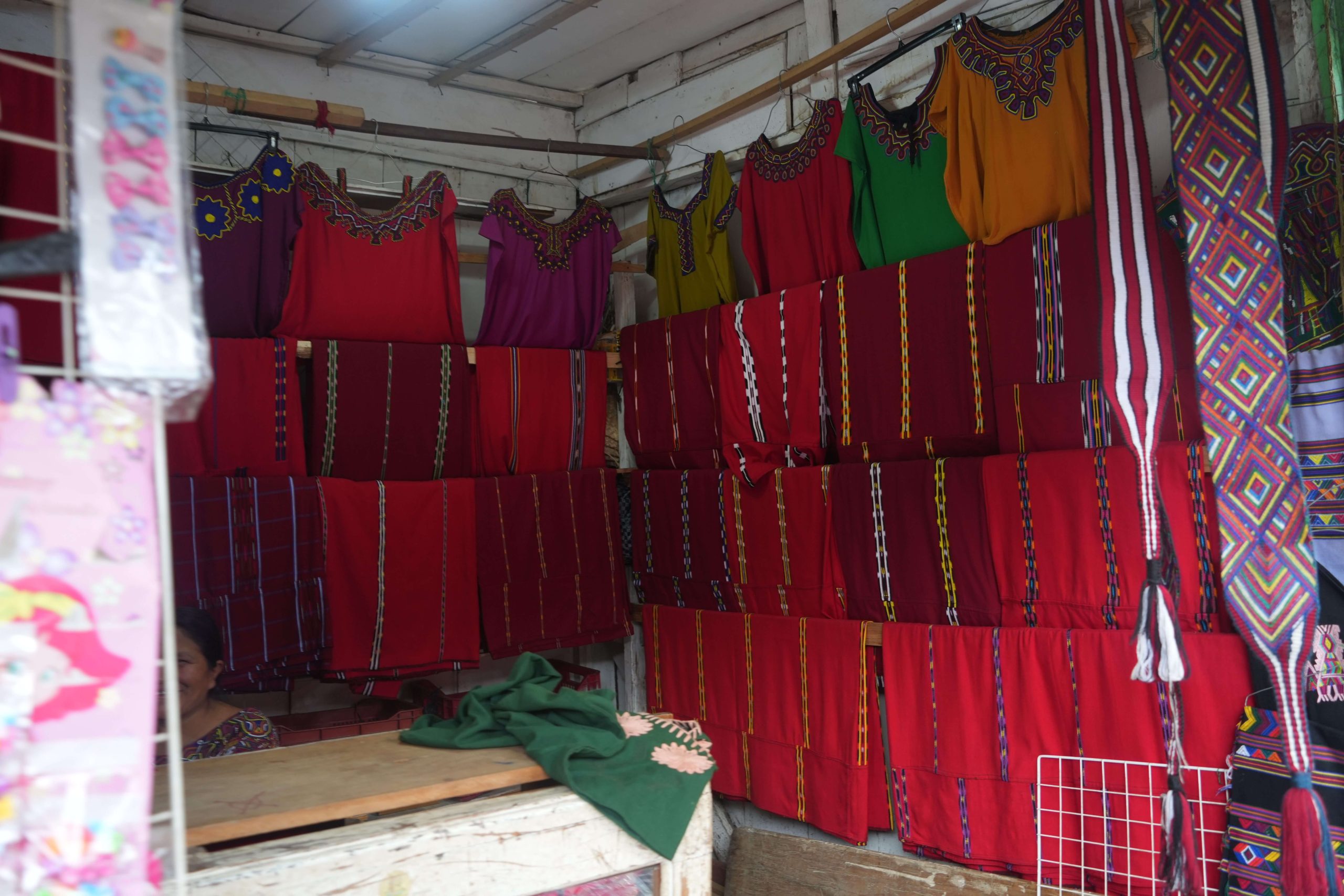
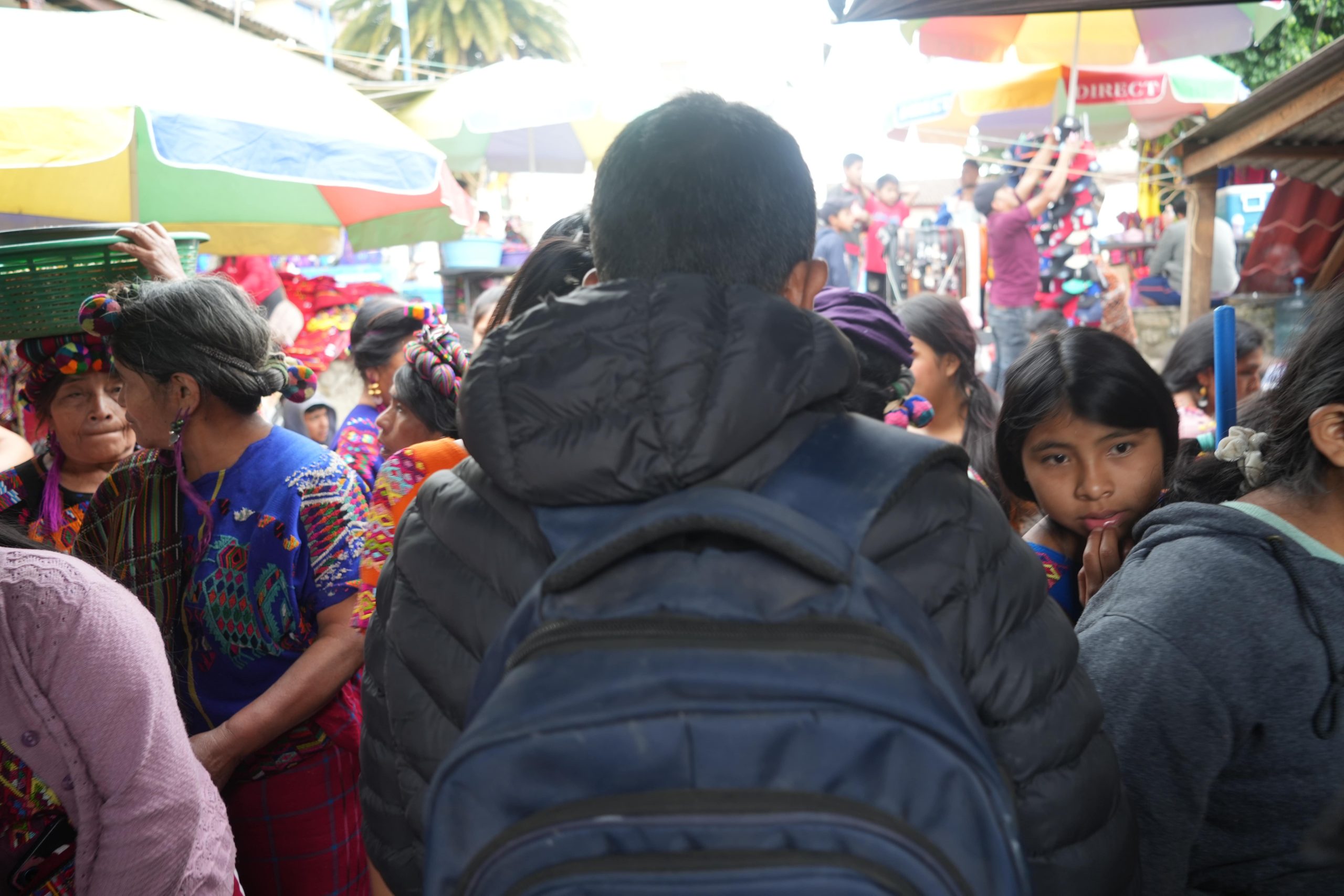 Teodoro, a father who was separated from his son at the U.S.-Mexico border walks through a market in Guatemala. Photo by Reynaldo Leaños Jr., Futuro Media
During the trip, I felt nervous. I was connected to Teodoro through advocates working with him. He is located in a remote area, so I had only one opportunity to gather all the audio I needed for my story. There was no chance for a follow-up interview or more questions.
There was also a language barrier. Beforehand, I was told that Teodoro’s main form of communication was through one of the Mayan languages. He understands Spanish, but I needed to ask short and clear questions. Thankfully, everything worked out.
The interview was very emotional. I left feeling unsure whether he and his son would be reunited, and a bigger question began to bubble up in my head: Will they be safe in the U.S. even if they’re reunited?
That question led me to develop a second story that focuses on a Honduran woman we called Orgullosa. She was separated from her daughter at the height of Zero Tolerance, but was reunited. However, they were recently deported to Honduras.
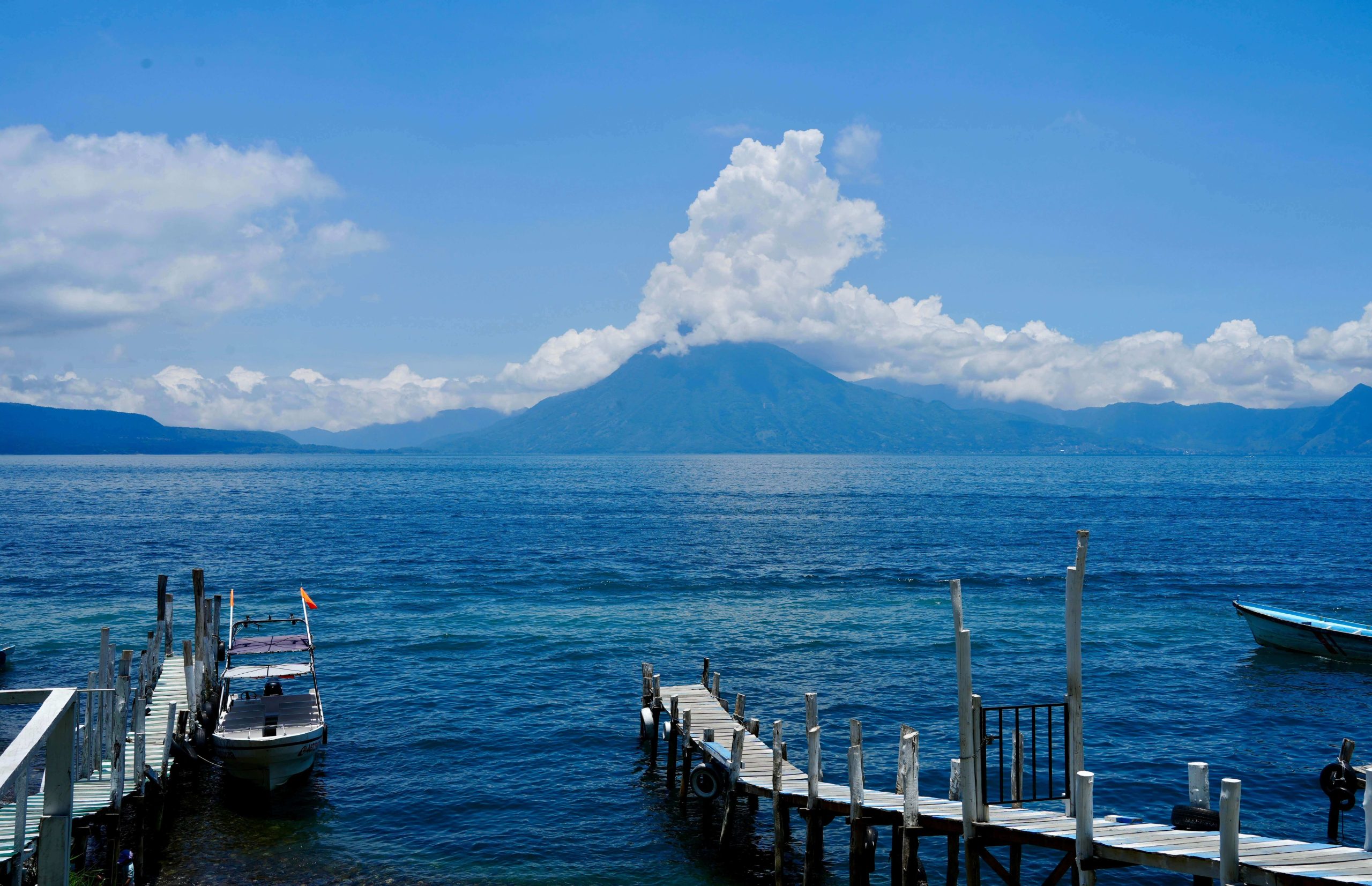
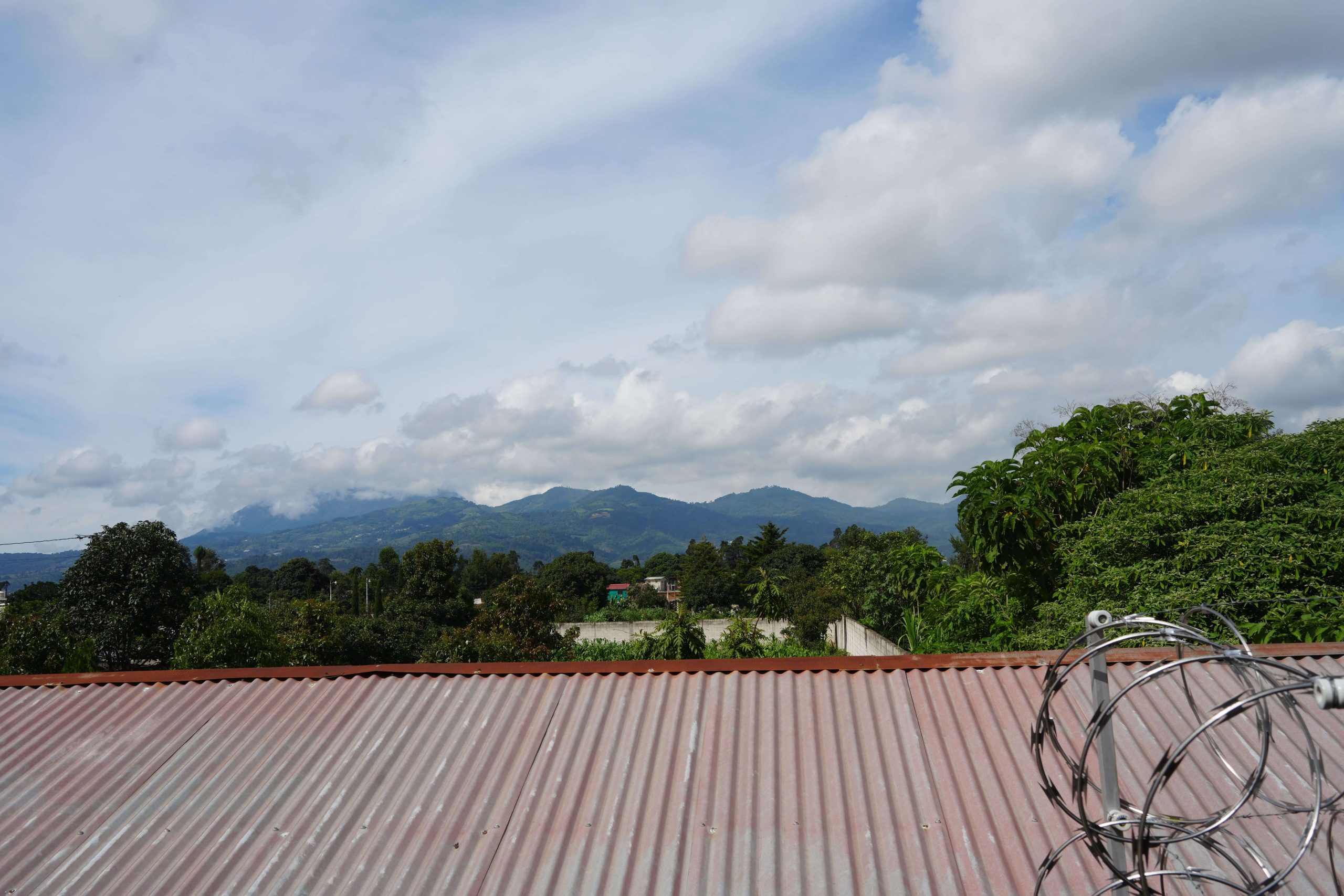 Scenic view from Chimaltenango, Guatemala. Photo by Reynaldo Leaños Jr., Futuro Media
The second story really delves into the idea that, even if families are reunited, they’re still facing increased targeting and pressure under the second Trump administration, as made clear by the many violations of the Ms. L Settlement Agreement that I covered in both stories.
Teodoro and Orgullosa both reminded me of the importance of following a story as it develops over the years. By doing so, I reported that things can change drastically from one administration to another. Nothing can be taken for granted.
They also reaffirmed to me something important: to show compassion and grounding when conducting these types of interviews, because the subject matter can be challenging to navigate.
Both of them also reminded me of why I do this type of journalism, which has become my personal ethos: report on people impacted by policies. My role is to help paint a human face on the consequences of these policies. Because from Washington, they may seem abstract, but on the ground, they are extremely real to those experiencing them.
Photo Gallery